
The explosive growth of artificial intelligence has created new business opportunities, but it has also opened the door to a new generation of cyber scams. Security experts warn that cybercriminals are increasingly exploiting ChatGPT’s popularity to launch sophisticated phishing campaigns.
The rapid adoption of generative artificial intelligence has created a growing concern among cybersecurity professionals.
In 2026 ChatGPT officially joined Microsoft and Google among the brands most frequently impersonated in phishing campaigns.
The trend represents a major shift in today’s cyber threat landscape. Instead of relying exclusively on banks, financial institutions or social media platforms, cybercriminals are now exploiting the trust that millions of people place in artificial intelligence services.
For organizations integrating AI into everyday operations, the stakes are even higher, as corporate credentials have become one of the most valuable targets for attackers.
ChatGPT Has Become a Prime Target for Cybercriminals
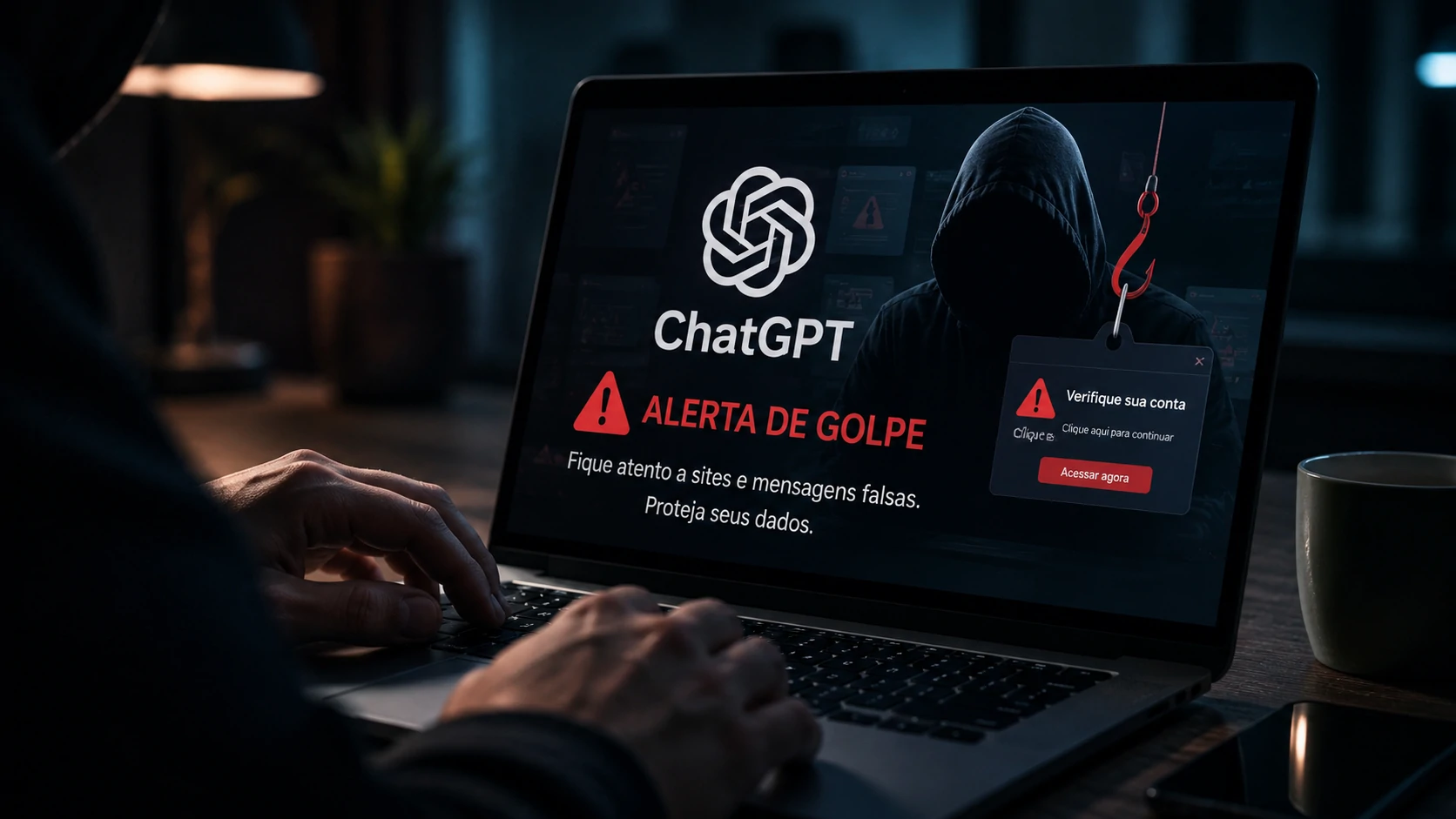
Until recently, phishing campaigns mainly impersonated financial institutions and major technology companies.
That reality is changing rapidly.
With hundreds of millions of users relying on artificial intelligence every day, cybercriminals have realized that the ChatGPT brand provides an exceptional opportunity to increase the effectiveness of phishing attacks.
Among the most common tactics identified by security researchers are:
- fake ChatGPT login pages;
- phishing emails advertising fake premium upgrades;
- cloned mobile applications;
- fraudulent ChatGPT Plus promotions;
- malicious browser extensions;
- fake social media posts promising exclusive AI features.
The greater the public’s trust in the brand, the more effective these social engineering attacks become.
Why These Scams Are Becoming More Dangerous
One of the biggest differences between today’s phishing campaigns and traditional scams is that attackers are now using artificial intelligence to improve their own operations.
Generative AI models can produce nearly flawless text, adapt messages to multiple languages and personalize communications using publicly available information.
As a result, many warning signs that users once relied on—such as poor grammar, awkward translations or generic emails—have become far less common.
Attackers can also automate thousands of highly convincing phishing attempts simultaneously, dramatically increasing the scale and effectiveness of their campaigns.
Businesses Have Become the Primary Target

Although individual consumers continue to be affected, cybersecurity specialists say organizations are increasingly becoming the primary focus of these attacks.
The reason is straightforward.
A single compromised employee account may provide access to:
- internal systems;
- corporate databases;
- confidential business documents;
- financial platforms;
- automation tools;
- software development environments.
As companies continue integrating artificial intelligence into their workflows, their attack surface expands accordingly.
This trend also reflects the rapid adoption of platforms such as ChatGPT across enterprises, where AI is becoming deeply embedded in everyday business operations.
How to Identify a ChatGPT Scam
Even experienced users can become victims of modern phishing campaigns.
Security experts recommend paying close attention to the following warning signs:
- URLs that differ from OpenAI’s official domain;
- requests for passwords or verification codes outside the official website;
- promises of free ChatGPT Plus access;
- offers claiming to unlock “exclusive” or “secret” AI features;
- unsolicited email attachments;
- messages designed to create a false sense of urgency.
Whenever a message pressures you to act immediately, take a moment to verify its authenticity before clicking any links or entering your credentials.
How to Protect Your Account and Personal Data

Prevention remains the most effective defense against phishing attacks.
Security professionals recommend following these best practices.
Use Only Official Channels
Always access ChatGPT through OpenAI’s official website or authorized applications.
Avoid clicking links received through emails, messaging apps or social media posts.
Enable Two-Factor Authentication
Two-factor authentication adds an additional layer of security, helping protect your account even if your password is compromised.
Never Share Verification Codes
Legitimate services will never ask you to disclose one-time verification codes through email, messaging platforms or phone calls.
Keep Your Devices Updated
Regular software and browser updates include security patches that reduce the risk of known vulnerabilities being exploited.
Educate Employees
Organizations should continuously train employees on phishing awareness, social engineering tactics and the secure use of artificial intelligence in everyday business operations.
The Rise of AI Is Also Creating New Cybersecurity Challenges
Artificial intelligence has become one of the most transformative technologies of the decade.
At the same time, its widespread adoption has attracted increasingly sophisticated cybercriminals.
Platforms such as ChatGPT have become part of the daily workflow of professionals, students, businesses and public institutions, making them highly attractive targets for phishing campaigns.
Cybersecurity experts believe this trend will continue as AI adoption accelerates, requiring both organizations and individuals to strengthen their digital security habits.
Protecting individual accounts alone is no longer enough. Businesses must also build a stronger cybersecurity culture across the entire organization.
What This Trend Means for Businesses
The growing number of scams exploiting the ChatGPT brand confirms that artificial intelligence has become a primary target for cybercrime.
For organizations, this means reviewing cybersecurity policies, strengthening employee awareness programs and establishing clear governance for the use of AI tools.
For individual users, the most important recommendation remains the same: always verify the authenticity of websites, applications and communications before entering credentials or sharing personal information.
As AI becomes increasingly integrated into everyday life, digital literacy and cybersecurity awareness will become essential skills for safely adopting these technologies.
Continue Reading on Notícia Tech
If you’re following the evolution of artificial intelligence in business, these articles may also interest you:
- What Is AI Security and Why Will It Become a Business Priority?
- Who Can Read Your ChatGPT, Claude and Gemini Conversations?
- OpenAI Shifts Strategy Toward Open-Weight AI Models
- Enterprise AI Architecture: The Complete Guide to MCP, RAG, AI Agents and Workflows
Final Thoughts
The rapid increase in ChatGPT-related scams demonstrates that the growing popularity of artificial intelligence is creating new cybersecurity challenges alongside its many benefits.
As cybercriminals leverage generative AI and increasingly sophisticated social engineering techniques to make phishing attacks more convincing, recognizing fraudulent behavior is becoming an essential digital skill for both individuals and organizations.
Building security awareness, enabling two-factor authentication, verifying website authenticity and following cybersecurity best practices remain the most effective ways to reduce risk while taking full advantage of the opportunities offered by artificial intelligence.
Comentários
Os comentários utilizam autenticação via GitHub para manter um ambiente mais qualificado, seguro e livre de spam.
Entrar ou criar conta no GitHub