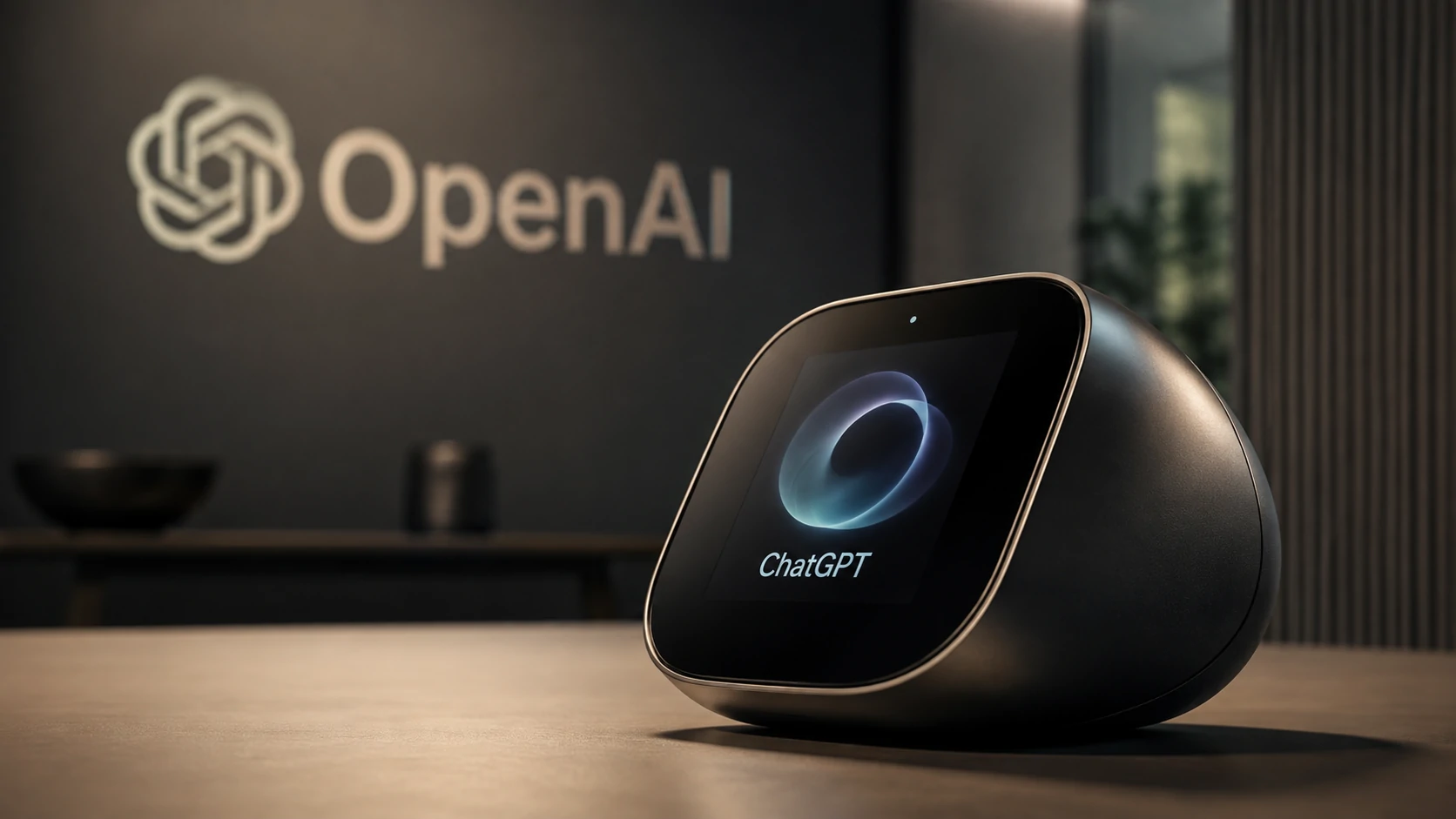
Over the past few years, OpenAI has reshaped the software industry with ChatGPT. Now, the company appears to be pursuing an even bigger ambition: controlling the hardware that delivers artificial intelligence. If successful, this strategy could redefine a competitive landscape currently dominated by Apple, Google, and other major technology companies.
OpenAI wants to control the entire artificial intelligence experience
OpenAI has confirmed that it is developing a new family of AI-native devices. Rather than introducing another gadget, the company is signaling a strategic shift from being solely an AI model developer to becoming a complete technology platform that controls how users interact with artificial intelligence.
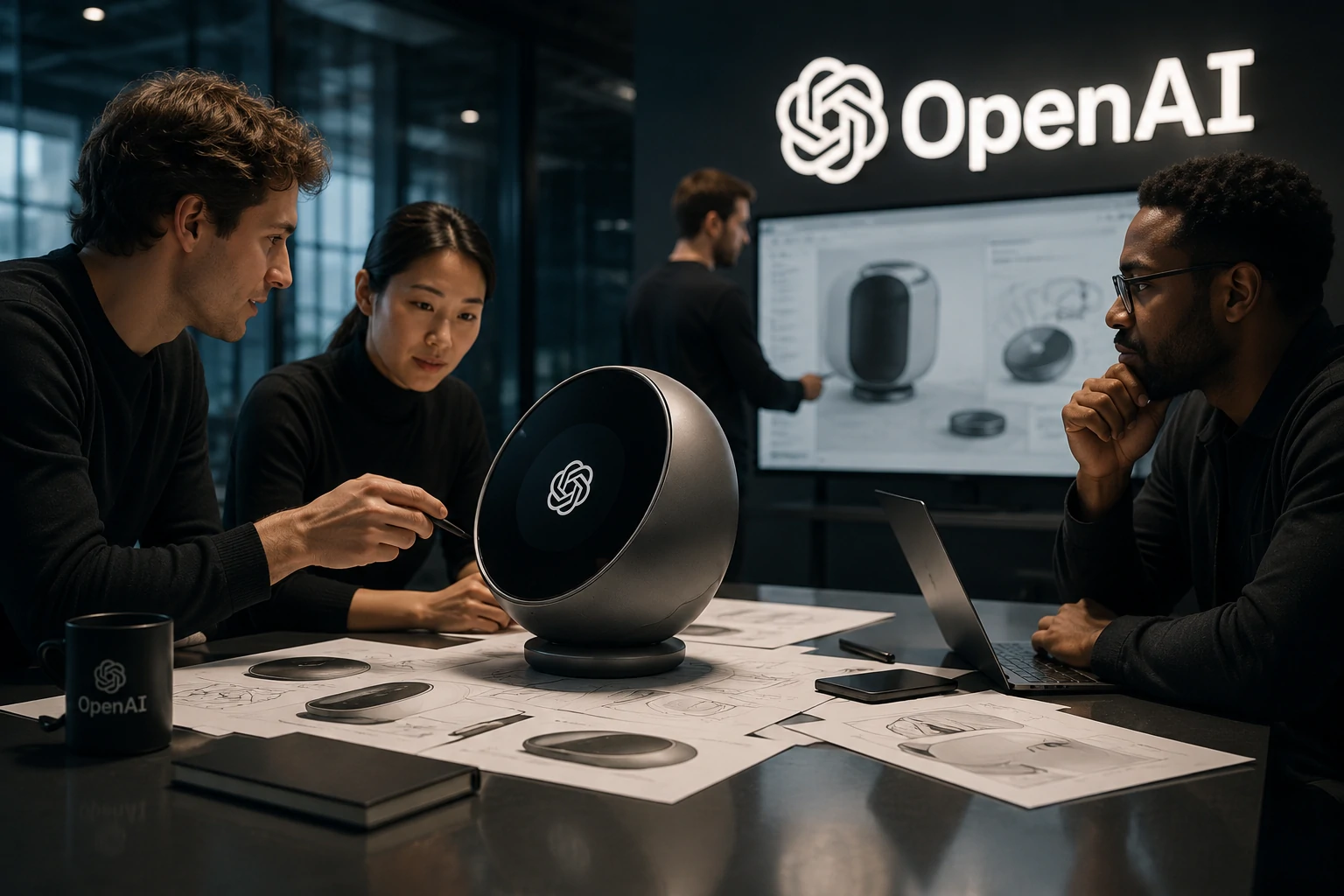
OpenAI executives suggest that the company’s future extends beyond software into tightly integrated AI hardware.
The decision brings OpenAI closer to the strategy long adopted by Apple, where hardware, operating systems, and software services work together within a unified ecosystem.
Software alone is no longer enough
For years, companies including Microsoft, Google, and Apple have competed by embedding artificial intelligence into existing products.
OpenAI, however, appears to be taking a different path by designing devices built around AI from the ground up instead of simply adding AI features to traditional hardware.
A shift comparable to the smartphone revolution
The strategy echoes the transformation that occurred when smartphones evolved from communication devices into complete computing platforms.
The next computing interface may no longer revolve around conventional screens but around continuous conversations with intelligent systems capable of understanding context and acting proactively.
Hardware could become OpenAI’s next competitive advantage
Entering the hardware market represents far more than product diversification.
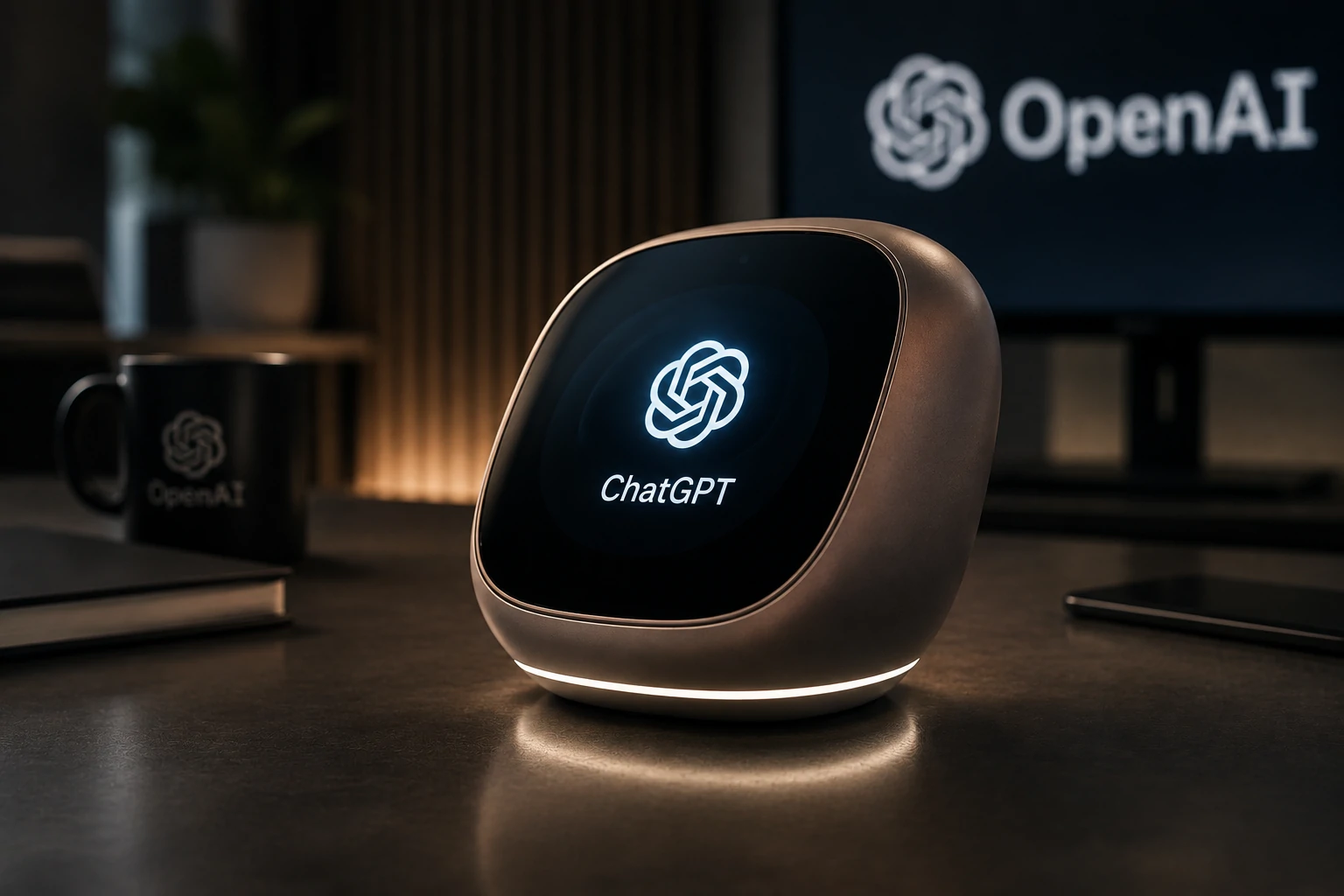
Combining hardware and software could enable AI experiences that are difficult to achieve on third-party platforms.
By controlling both hardware and software, OpenAI can optimize performance, reduce latency, improve energy efficiency, and introduce capabilities that would be difficult to implement on devices built by other manufacturers.
Reducing dependence on external platforms
Today, ChatGPT primarily relies on computers, smartphones, and browsers developed by other companies.
With proprietary devices, OpenAI would gain greater control over how its AI models are delivered, updated, and integrated into everyday workflows.
Data, performance, and user experience
Custom-built devices could also combine dedicated AI chips, local processing, advanced sensors, and entirely new interaction models while reducing reliance on cloud infrastructure.
This strategy aligns with trends previously explored by Notícia Tech, including the evolution of enterprise AI architecture.
For readers interested in how these technologies work together, see:
Enterprise AI Architecture: The Complete Guide to MCP, RAG, APIs, AI Agents, Workflows and Copilots
It also reinforces the broader transformation discussed in our analysis of ChatGPT Work:
How ChatGPT Work Is Changing Enterprise Software for Businesses
Apple and Google are entering a different kind of competition
OpenAI’s hardware strategy expands the competitive landscape by positioning the company alongside traditional device manufacturers. If its plans succeed, the AI race will no longer be defined solely by language models but by the complete user experience.
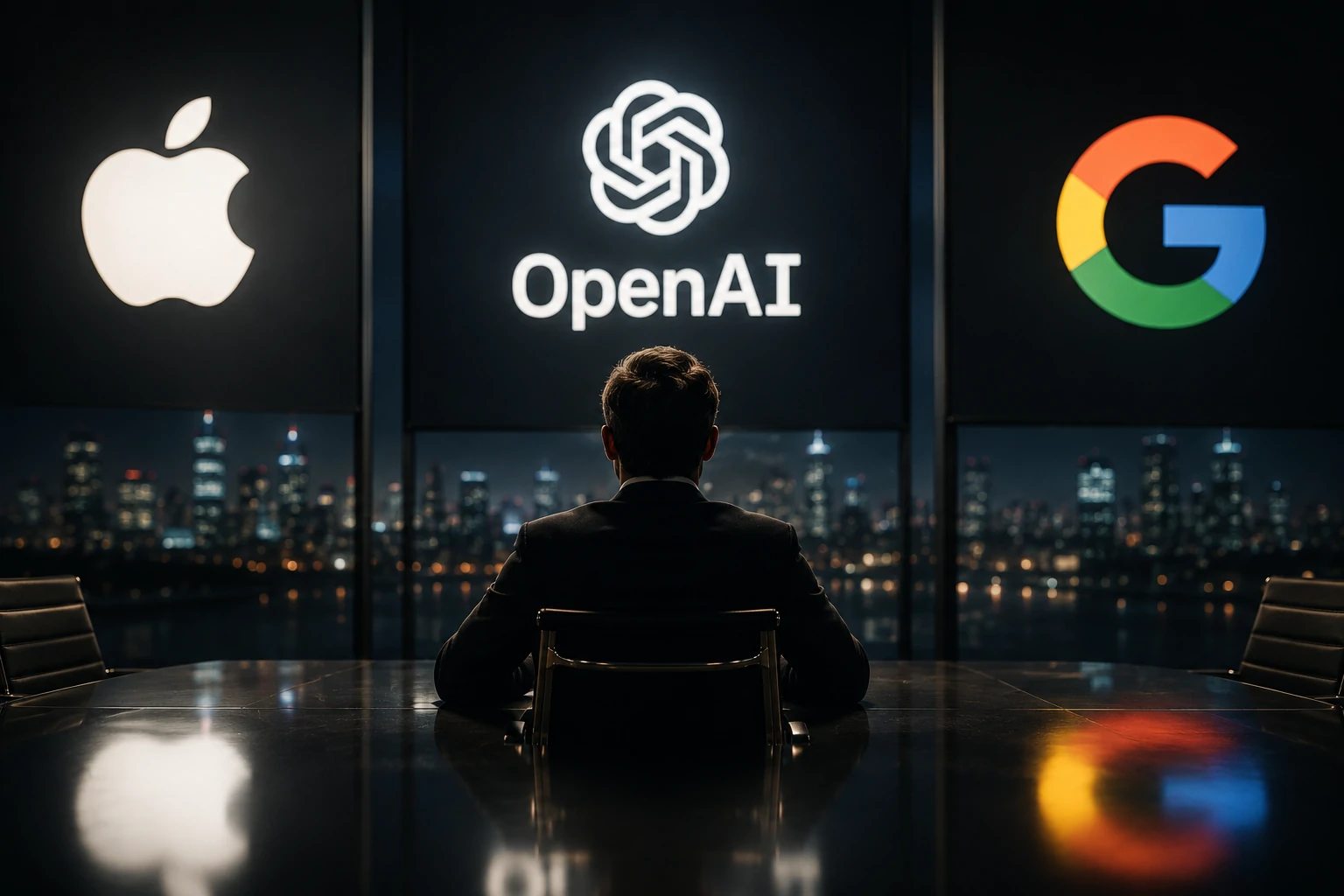
The next chapter of artificial intelligence may be defined by the integration of hardware, software, and AI-driven user experiences.
While Apple continues integrating Apple Intelligence across the iPhone and Mac ecosystem, and Google expands Gemini throughout Android devices, OpenAI appears to be building an entirely new platform centered around artificial intelligence from the very beginning.
AI could become the primary computing interface
The long-term vision points toward devices capable of understanding context, anticipating user needs, and executing complex tasks with minimal human intervention.
In this scenario, artificial intelligence evolves beyond being another application and becomes the primary interface connecting people with digital technology.
This evolution also reinforces another important trend previously explored by Notícia Tech:
What Is AI Agent Identity? The Complete Guide for Businesses
The AI market is entering a new phase
Until recently, the industry focused on identifying which company possessed the most capable language model.
Now, competitive advantage may depend on which company can deliver the strongest combination of hardware, software, silicon, cloud infrastructure, and user experience.
That shift could reshape semiconductor investments, supply chains, enterprise ecosystems, and the future direction of consumer technology.
Why this strategy could redefine the future of computing
OpenAI’s move into hardware represents more than a product announcement. It signals that the company believes the next generation of computing will be built around devices specifically designed for artificial intelligence rather than adapting AI to existing platforms.
A new technology platform is emerging
Just as smartphones transformed mobile computing and cloud services reshaped enterprise software, AI-native devices could establish an entirely new computing category.
Technology companies that currently dominate the market may need to rethink their long-term strategies as hardware and artificial intelligence become increasingly inseparable.
The implications extend far beyond consumers
For enterprises, software developers, investors, and technology leaders, this announcement reflects a structural transformation rather than a short-term product launch.
If OpenAI successfully builds its own ecosystem, it could reduce dependence on existing platforms, create entirely new revenue streams, and strengthen ChatGPT as the central interface for interacting with artificial intelligence.
Rather than competing solely to build the world’s most capable AI model, the company is now positioning itself to control the devices through which that intelligence is experienced. If this strategy succeeds, the next chapter of personal computing may be defined not only by better AI—but by who owns the platform where AI lives.
Comentários
Os comentários utilizam autenticação via GitHub para manter um ambiente mais qualificado, seguro e livre de spam.
Entrar ou criar conta no GitHub