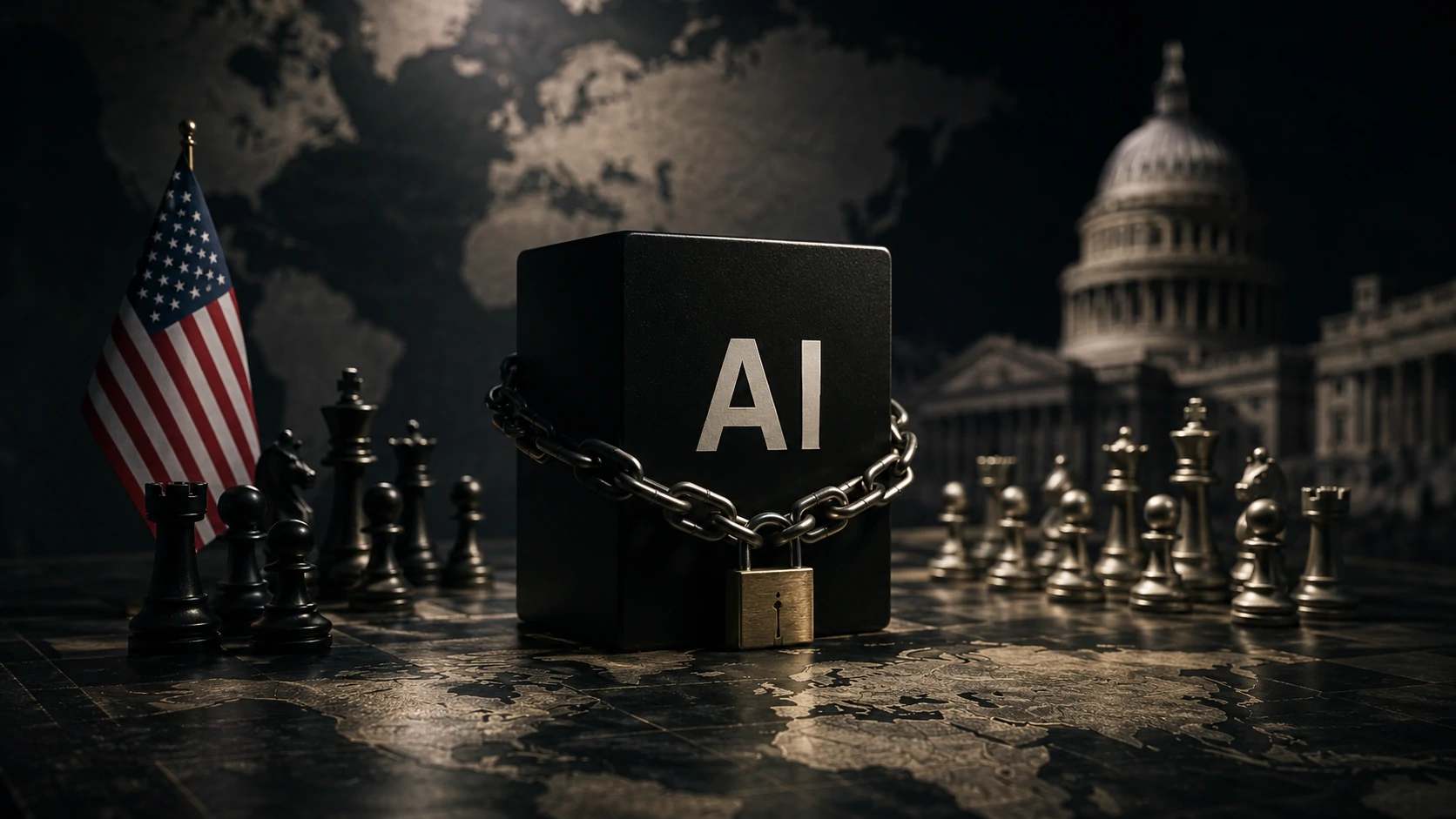
For years, the global race for artificial intelligence has been centered on chips, data centers, and computing power. Now, a new phase has begun. For the first time, a government is treating advanced AI models as strategic assets comparable to sensitive defense and national security technologies.
Anthropic’s model restrictions mark a historic shift in the AI industry
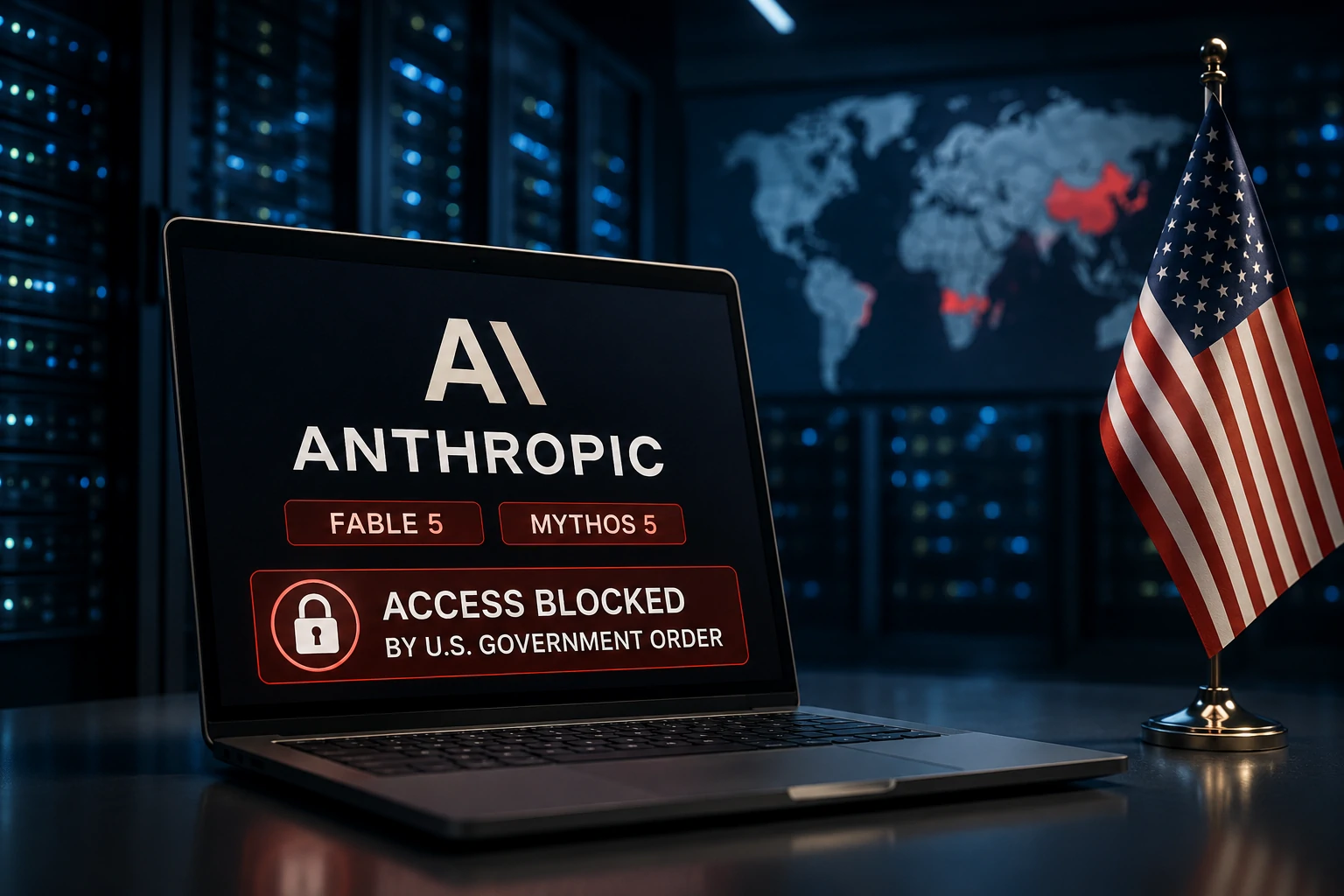
Fable 5 and Mythos 5 are at the center of a new geopolitical battle over artificial intelligence.
The United States government has ordered Anthropic to suspend access to its most advanced AI models, Fable 5 and Mythos 5, for foreign nationals.
The measure was justified by concerns related to national security and the potential use of these technologies in sensitive activities, particularly in cybersecurity.
Unable to quickly implement selective restrictions based on nationality, Anthropic chose to temporarily suspend access to the models for all users.
What are Fable 5 and Mythos 5?
These models represent the most advanced level of Anthropic’s artificial intelligence portfolio.
According to information released by Anthropic, they offer significantly stronger capabilities in reasoning, software engineering, scientific research, and complex systems analysis.
Why did the U.S. government intervene?
U.S. officials expressed concern that these systems could be used to identify software vulnerabilities, accelerate cyberattacks, or support strategically sensitive operations.
The case demonstrates that the debate around AI is no longer purely technological. It has become a direct national security issue.
Artificial intelligence is becoming a strategic national asset
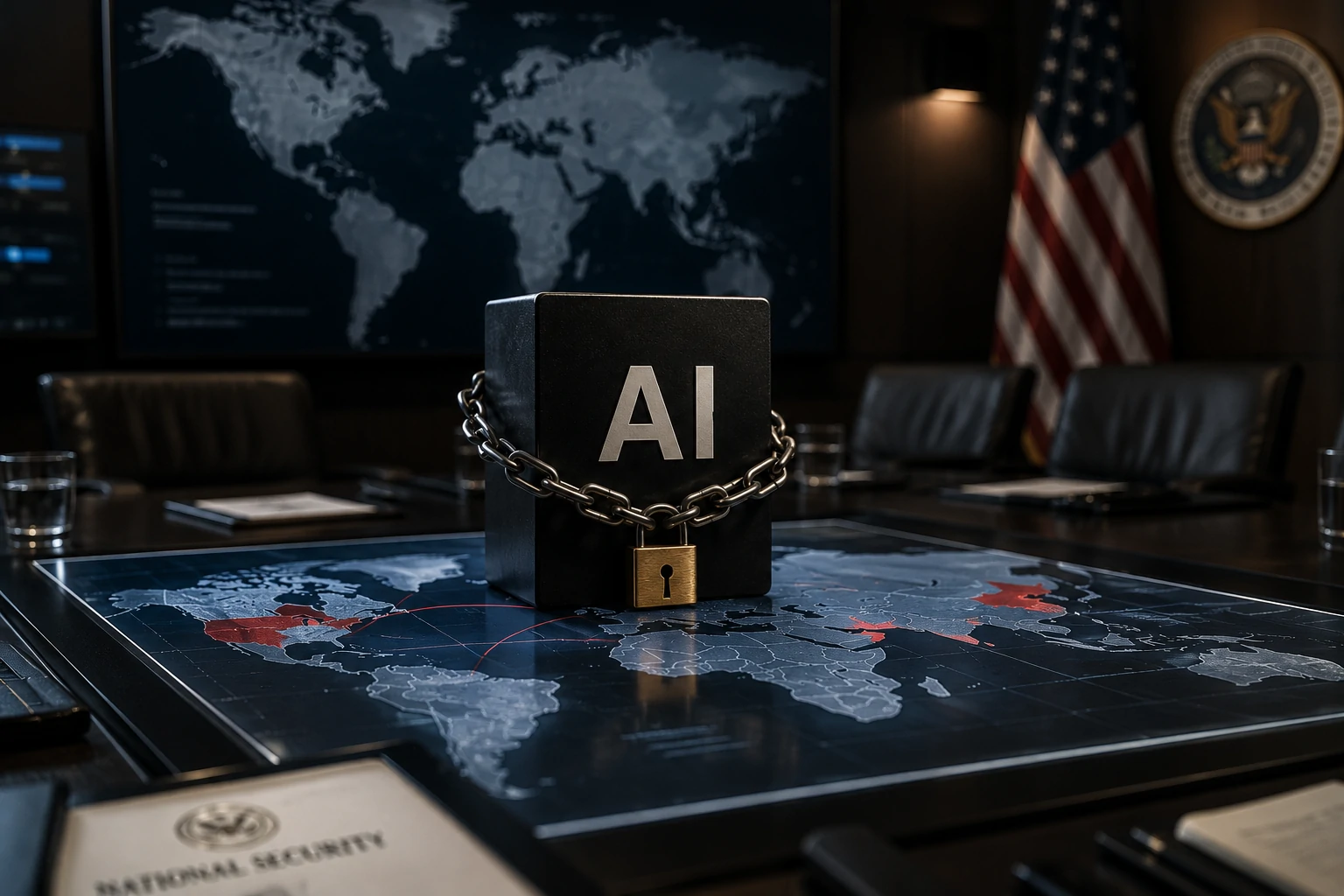
Governments are beginning to treat advanced AI models as strategic resources comparable to critical infrastructure.
The implications of this decision extend far beyond Anthropic.
The episode signals that governments are starting to view advanced AI models in the same category as military technologies, cutting-edge semiconductors, and advanced cryptographic systems.
In recent years, the United States has already restricted exports of advanced Nvidia chips to specific markets.
Now, the focus appears to be shifting from infrastructure to the models themselves.
Is the era of globally accessible AI coming to an end?
Until recently, the dominant narrative suggested that advanced AI models would be distributed worldwide with few geographic barriers.
The Anthropic case points toward a different future.
Countries may begin limiting who can access specific AI systems, creating a technological divide similar to those already seen in other strategic sectors of the global economy.
What does this mean for businesses?
Multinational companies now face a new layer of risk.
Beyond selecting AI vendors, organizations may also need to evaluate regulatory, geopolitical, and technological sovereignty considerations.
This trend reinforces discussions explored in topics such as AI Operations and AI agent governance and the evolution of infrastructure that connects intelligent agents to enterprise systems through MCP.
The conflict between governments and AI companies is intensifying
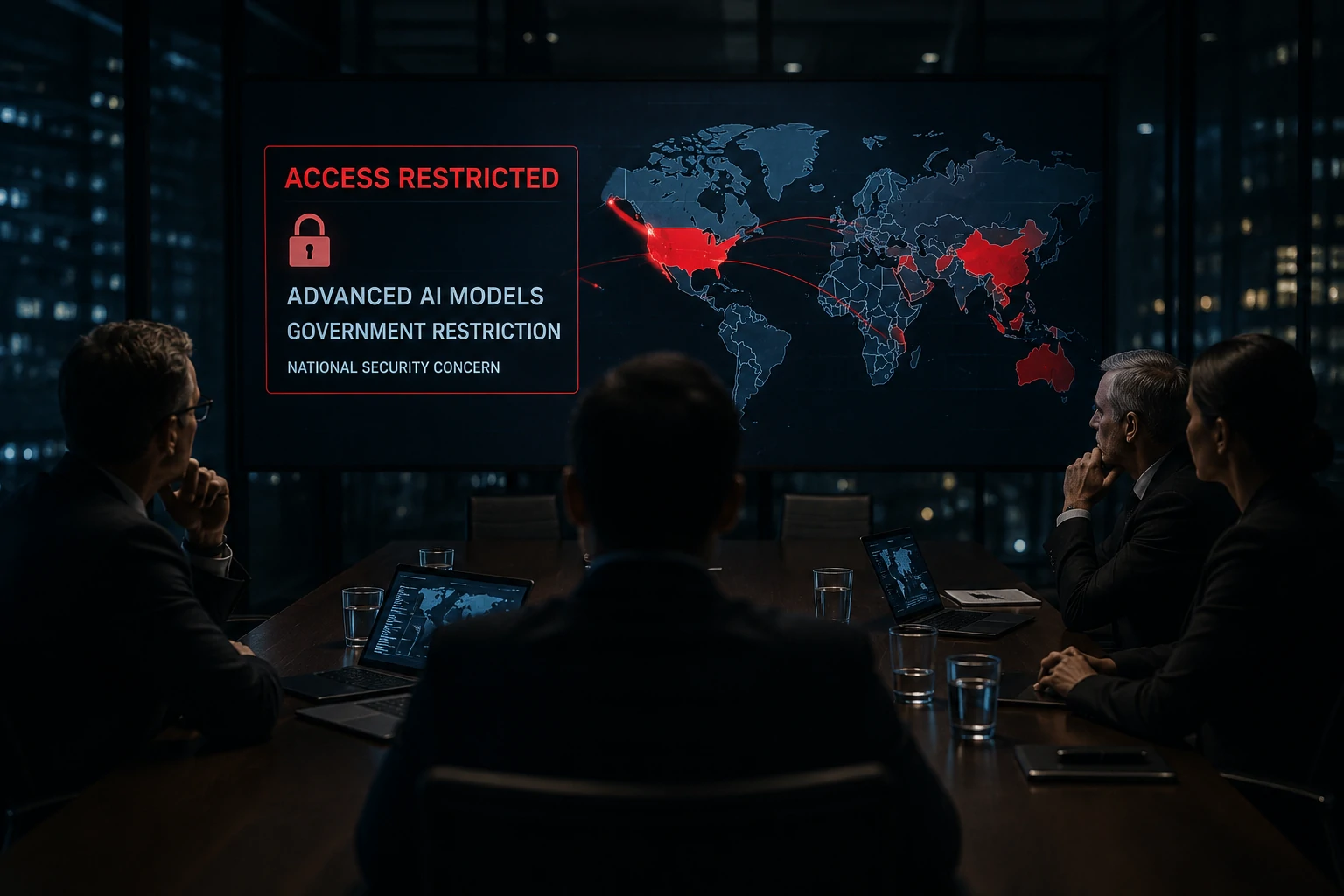
The relationship between AI laboratories and governments is entering a new phase of strategic tension.
The situation also highlights growing tensions between major AI laboratories and governments.
Anthropic stated that it received limited justification for the decision and expressed concerns about the lack of transparency regarding the risks cited by authorities.
This creates an important precedent for the entire industry.
If a government can restrict access to specific models for strategic reasons, other AI companies may face similar requirements in the future.
Could OpenAI, Google, and Microsoft face similar restrictions?
The answer is yes.
As advanced AI systems become more capable, governments are likely to increase regulatory oversight.
This affects companies such as OpenAI, Google, Microsoft, Meta, and any organization developing models considered critical to national competitiveness.
The issue connects directly to the growing competition described in The Interface Wars Have Begun: Why Apple, OpenAI, Google and Microsoft Want to Replace Apps with AI Agents, where control over the intelligence layer is becoming increasingly strategic.
A new technological arms race
Competition is no longer taking place solely between companies.
It is increasingly occurring between nations.
In practice, governments are beginning to compete over who can access the most advanced AI systems, who can deploy them, and under what conditions.
The real impact may emerge over the next decade
The Anthropic decision may ultimately be remembered as one of the defining moments in the recent history of artificial intelligence.
It marks the transition from an industry driven primarily by innovation to one increasingly shaped by geopolitical interests.
If this trend continues, the next major AI battle will not simply be about who builds the best models.
It will be about who is allowed to use them.
In this scenario, artificial intelligence ceases to be merely a technology tool and becomes a central component of the economic, military, and diplomatic strategies of the world’s leading powers.
Comentários
Os comentários utilizam autenticação via GitHub para manter um ambiente mais qualificado, seguro e livre de spam.
Entrar ou criar conta no GitHub