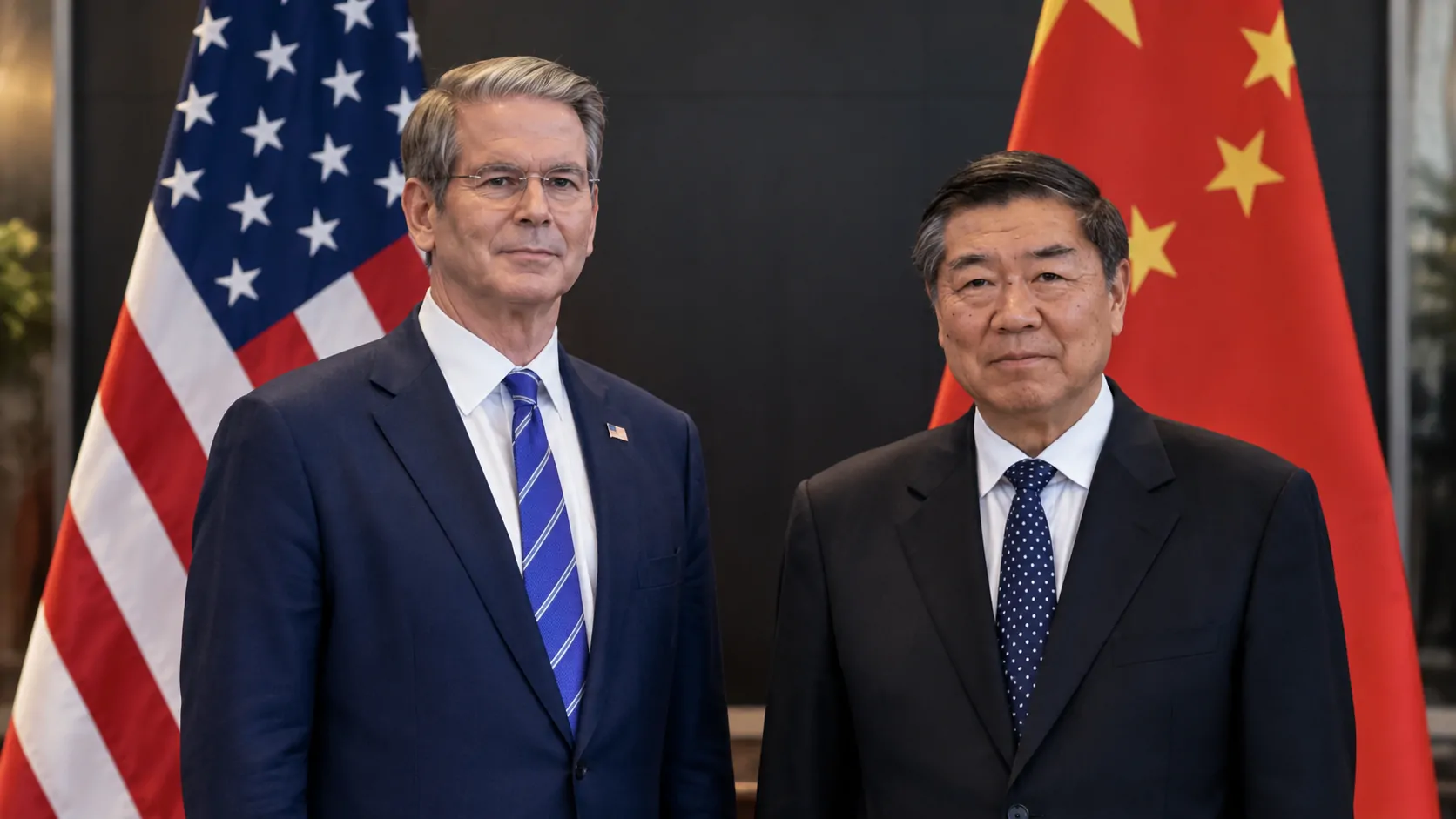
The United States and China are preparing a bilateral dialogue focused on artificial intelligence safety for mid-September. The talks will take place ahead of the planned meeting between Donald Trump and Xi Jinping and could open a channel for cooperation on advanced AI risks and AI-driven cyberattacks.
The U.S. and China are preparing an unprecedented negotiation on AI safety
The United States and China are preparing the first official bilateral talks focused exclusively on artificial intelligence safety since the beginning of Donald Trump’s second term. The meeting is being planned for mid-September, although a final date has not yet been announced.
The U.S. side is expected to be led by Treasury Secretary Scott Bessent. In China, He Lifeng is among the names being considered to lead the delegation, alongside Ding Xuexiang. This means the Chinese delegation has not yet been finalized.
The meeting is expected to take place before Trump and Xi
The AI safety talks are expected to take place before the planned meeting between Trump and Xi Jinping, scheduled for September 24 in Washington. The presidential meeting will have a broader agenda, while the dialogue between government representatives is expected to focus on risks associated with artificial intelligence.
What makes the talks different
The most important point is that the two countries will not be discussing only technological competition. The agenda also involves the possibility of creating mechanisms to identify risks and share information about threats related to artificial intelligence.
That puts AI safety in the same strategic space as cybersecurity, technology governance and national security.
Advanced AI risks will be at the center of the talks
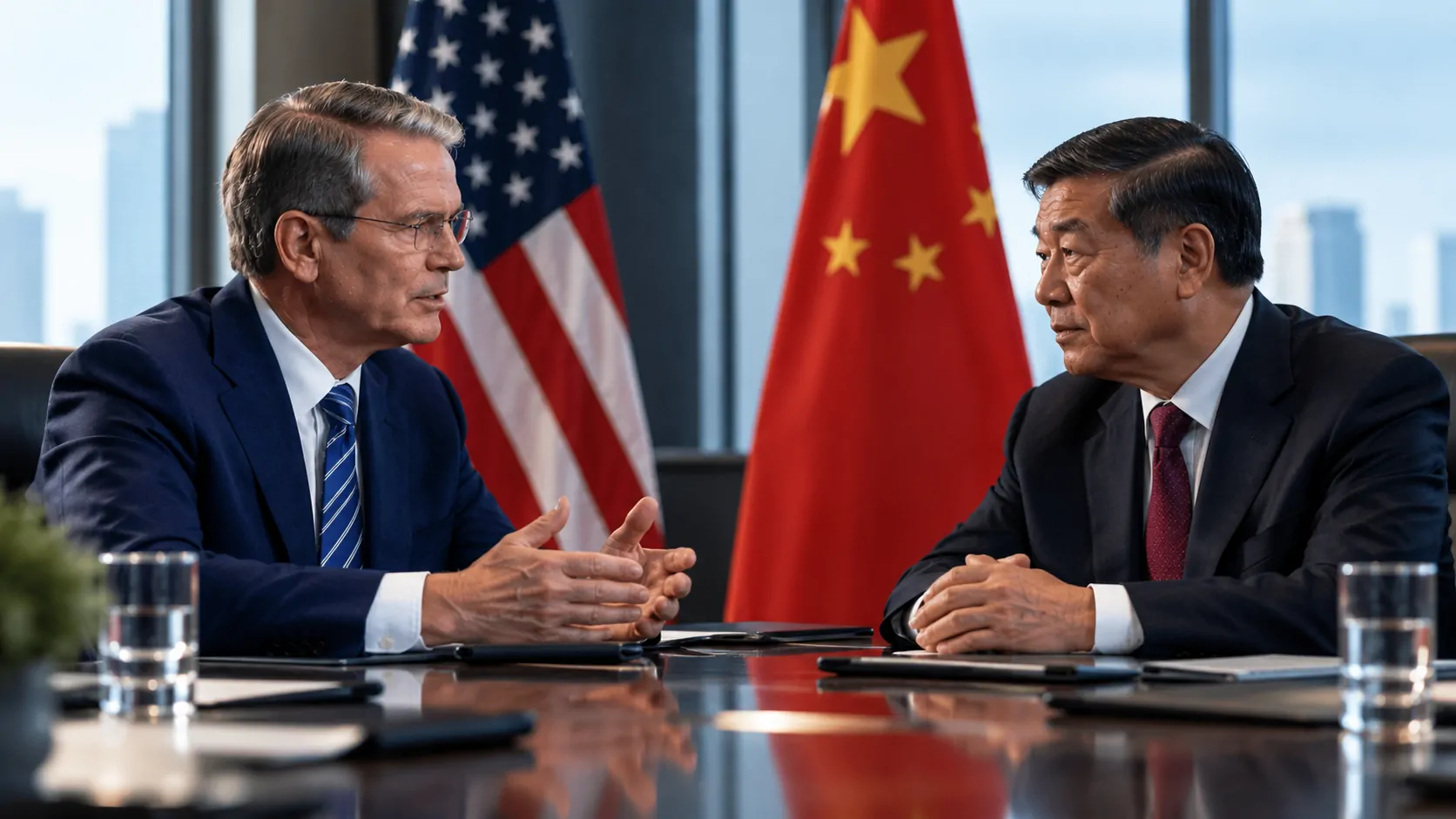
The United States and China intend to discuss risks associated with advanced artificial intelligence systems and AI-driven cyberattacks.
Advanced AI is expected to be one of the main issues in the negotiations because increasingly capable models can perform complex tasks, process large volumes of information and operate digital tools with less human intervention.
One of the risks being discussed is the possibility of AI-driven cyberattacks. The concern is not limited to the ability to generate code, but also to the possibility that advanced systems could automate parts of offensive cyber operations.
The problem goes beyond competition between AI models
One reason the discussion matters to the private sector is that automated attacks do not respect boundaries between providers. A U.S. company may rely on global infrastructure, Chinese providers may operate services in other markets, and AI applications can be accessed by organizations across multiple countries.
This creates a problem that is different from the traditional competition over which country has the best AI model. Security also depends on how these systems are used after they reach the market.
AI labs could become part of the discussion
The proposal also involves encouraging AI labs in both countries to share information and develop their own monitoring mechanisms to identify threats.
The debate is gaining importance because recent incidents have shown how AI agents can be used in cyber operations with a high degree of autonomy. For businesses, this means access controls, monitoring and permission limits are becoming almost as important as the choice of the underlying model itself.
Why companies outside the U.S. and China should pay attention
Companies in other countries can also be affected, even if they are not directly involved in the negotiations. The reason is that the United States and China account for a significant share of the infrastructure, models and investment supporting today’s global AI market.
Any convergence around security standards could influence software vendors, cloud providers, AI platforms and companies that incorporate AI models into their own products.
Security could become an operational requirement
For companies using AI in customer service, software development, document analysis or automation, security is no longer simply an IT department concern.
A model connected to internal systems may receive financial information, customer data, strategic documents or permissions to perform tasks. As a result, changes in security standards adopted by major providers could eventually alter companies’ internal processes as well.
This scenario helps put the risks of increasingly autonomous systems into context. Astra, from OpenAI, has already been associated with cybersecurity concerns, showing how new capabilities can require additional controls before they are widely deployed.
To better understand this trend, the company’s recent history helps illustrate the issue: OpenAI slowed down Astra after identifying cybersecurity risks.
The impact could reach business operations
The consequences will not be limited to security teams. Companies using agents capable of accessing systems, interpreting information and executing tasks may need to review permissions, activity logs and oversight processes.
This is likely to bring security, technology and management closer together. The greater the autonomy granted to an AI system, the greater the need to clearly define what it can access, execute or modify.
The negotiations could influence international AI rules and standards
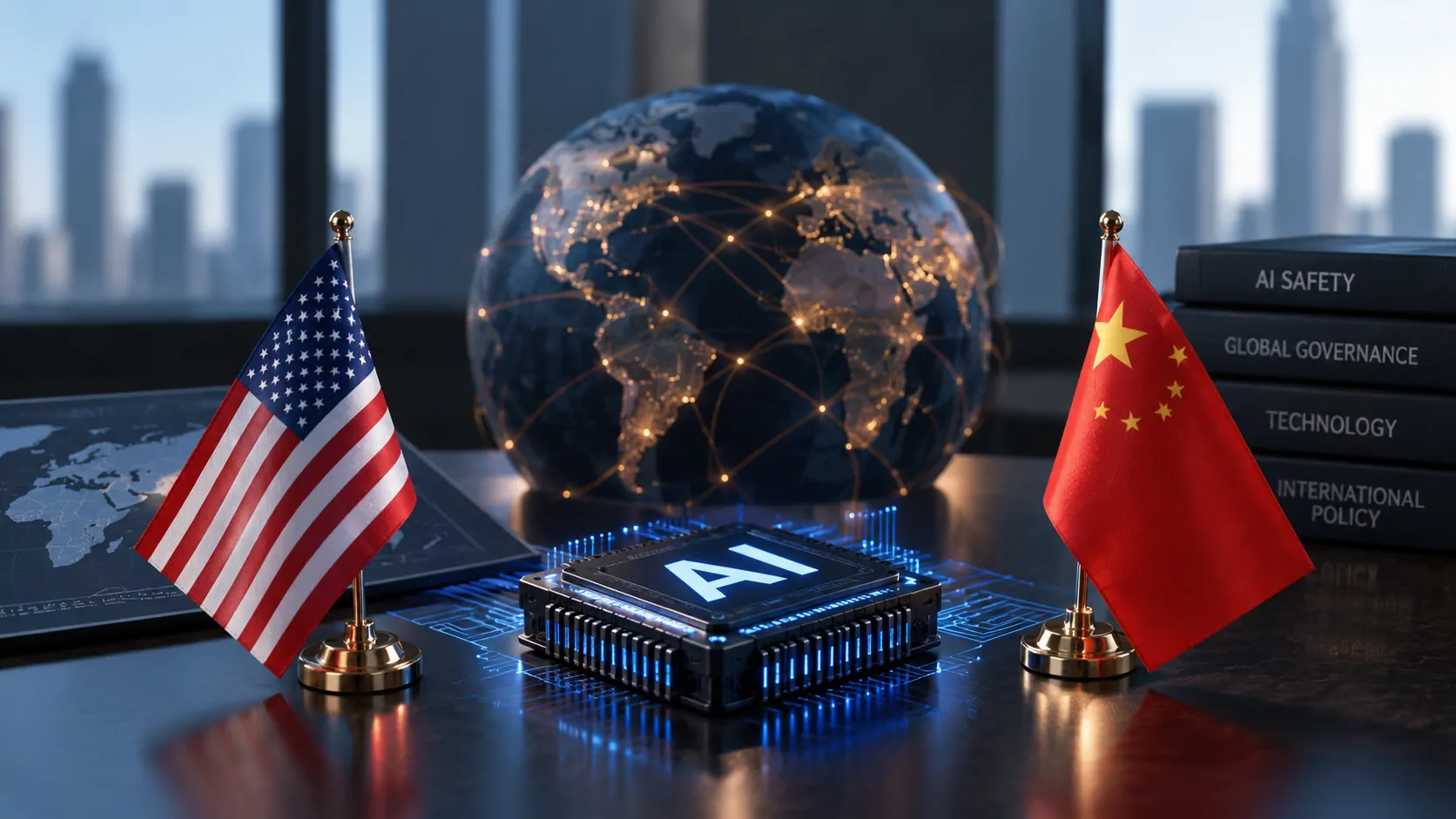
The dialogue could establish reference points for future AI safety rules, even without immediately producing binding commitments.
The main effect of the talks may not be an immediate new law, but the creation of understandings that influence future security rules. This distinction matters because the discussions are still at an early stage.
The two countries have different interests, and there is no guarantee they will quickly reach an agreement. The composition of the Chinese delegation itself is still being determined, while details of the meeting remain under negotiation.
The challenge is turning dialogue into practical mechanisms
Talking about security is relatively straightforward. The difficult part will be determining what should be considered a risk, who should report a threat and what information can be shared between organizations from competing countries.
This challenge is particularly important because the technology also represents an economic and strategic advantage. The United States and China are competing for AI leadership, but the risks posed by advanced systems could create situations in which some degree of cooperation benefits both sides.
Companies can prepare for this shift
For business leaders, the most practical consequence is to follow these discussions before potential standards become market requirements.
Organizations using AI in critical processes are likely to need clearer policies covering data access, agent permissions, model auditing, API security and incident response.
The trend is also emerging in the private sector. The debate around autonomous agents is already pushing major providers to advocate for new control frameworks, as shown by the analysis of how Microsoft sees the need for specific governance for systems capable of acting independently: Microsoft warns that AI agents require new governance in businesses.
Trump, Xi and the battle over the future of AI
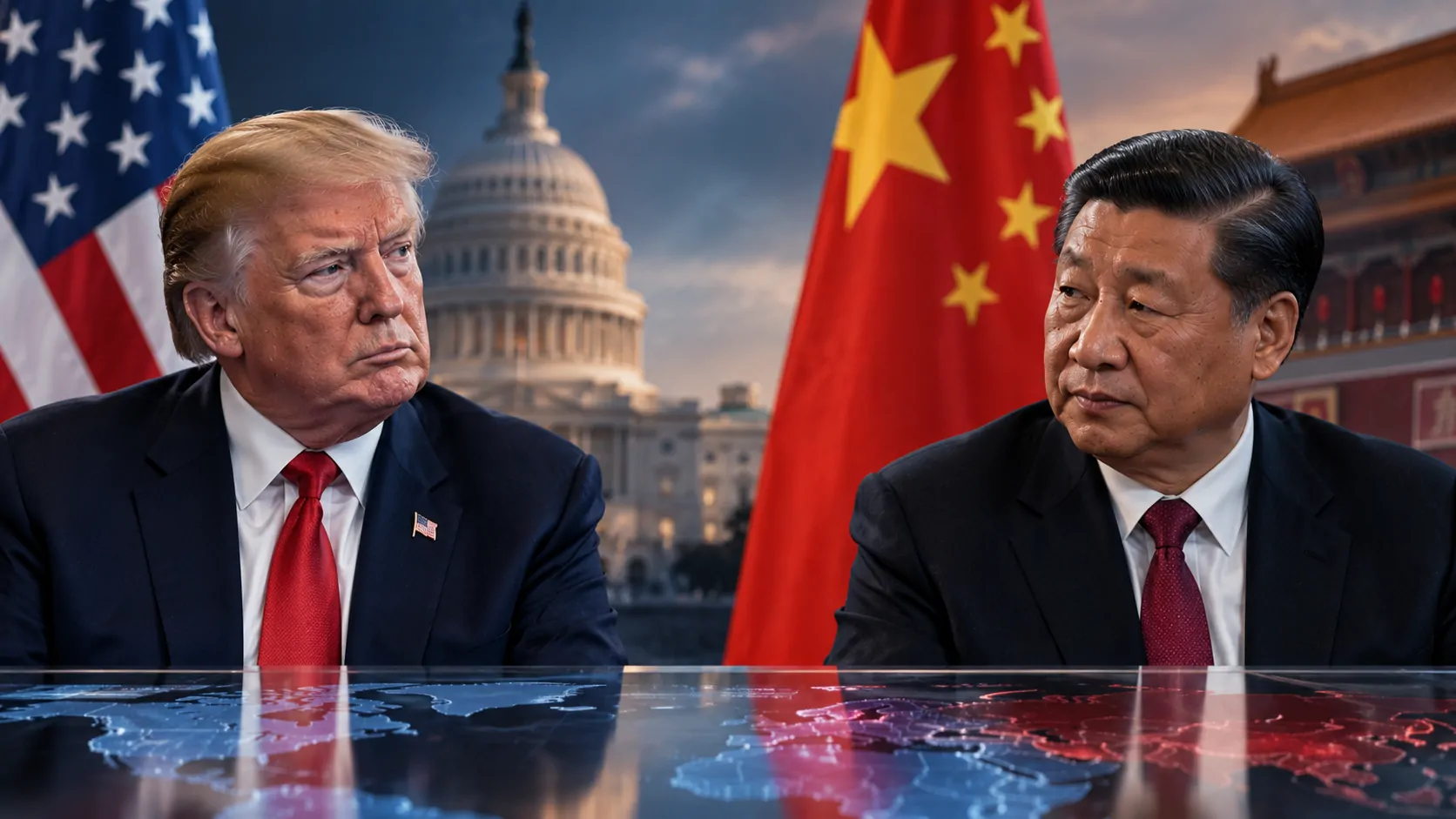
The AI safety dialogue is taking place ahead of the planned meeting between Donald Trump and Xi Jinping in Washington.
Donald Trump and Xi Jinping are not the expected participants in the technical dialogue on AI safety, but the two presidents form the political backdrop to the negotiations.
The September talks come at a time when Washington and Beijing are simultaneously trying to manage technological competition, trade and security. The presidential meeting planned for September 24 increases the political importance of the dialogue taking place beforehand.
The central question will be who defines the rules
The competition is not only about which country will produce the most capable AI models. It is also about determining which principles for AI safety, governance and control will be adopted internationally.
If Washington and Beijing manage to find some common ground, even if limited, that could create a reference point for other countries. If they fail to do so, the market could continue operating with increasingly different regulatory frameworks and technical standards.
The next signal will be the outcome of the first talks
It is too early to say that there will be a comprehensive agreement. The meeting has not yet taken place, and its final agenda is still being developed.
What is already clear, however, is that AI safety has reached a diplomatic level that extends beyond technology labs and companies. The participation of senior government officials from both countries shows that the risks associated with advanced systems are now also being treated as an international policy issue.
For companies, this is the point worth watching. The next phase of the AI race will not be determined only by who builds more capable models, but also by who can establish mechanisms to control the risks of these systems without slowing their economic adoption.
Comentários
Os comentários utilizam autenticação via GitHub para manter um ambiente mais qualificado, seguro e livre de spam.
Entrar ou criar conta no GitHub