The competition among leading AI models is no longer about generating faster answers. In 2026, choosing the right AI platform directly impacts productivity, operational costs, automation capabilities and competitive advantage. For business leaders, the question is no longer “Which AI is the smartest?” but rather “Which AI creates the greatest business value?”
Which AI Is Best for Businesses in 2026?
The Artificial Intelligence landscape has evolved rapidly over the past year. OpenAI, Anthropic, Google, xAI and Mistral AI are competing aggressively by developing increasingly specialized enterprise AI platforms.
Although every platform can generate content, analyze documents and support decision-making, each one has built a distinct competitive advantage.
In this comparison, Notícia Tech examines where each solution truly stands out and which business scenarios justify its adoption.
ChatGPT Remains the Benchmark for Enterprise Productivity
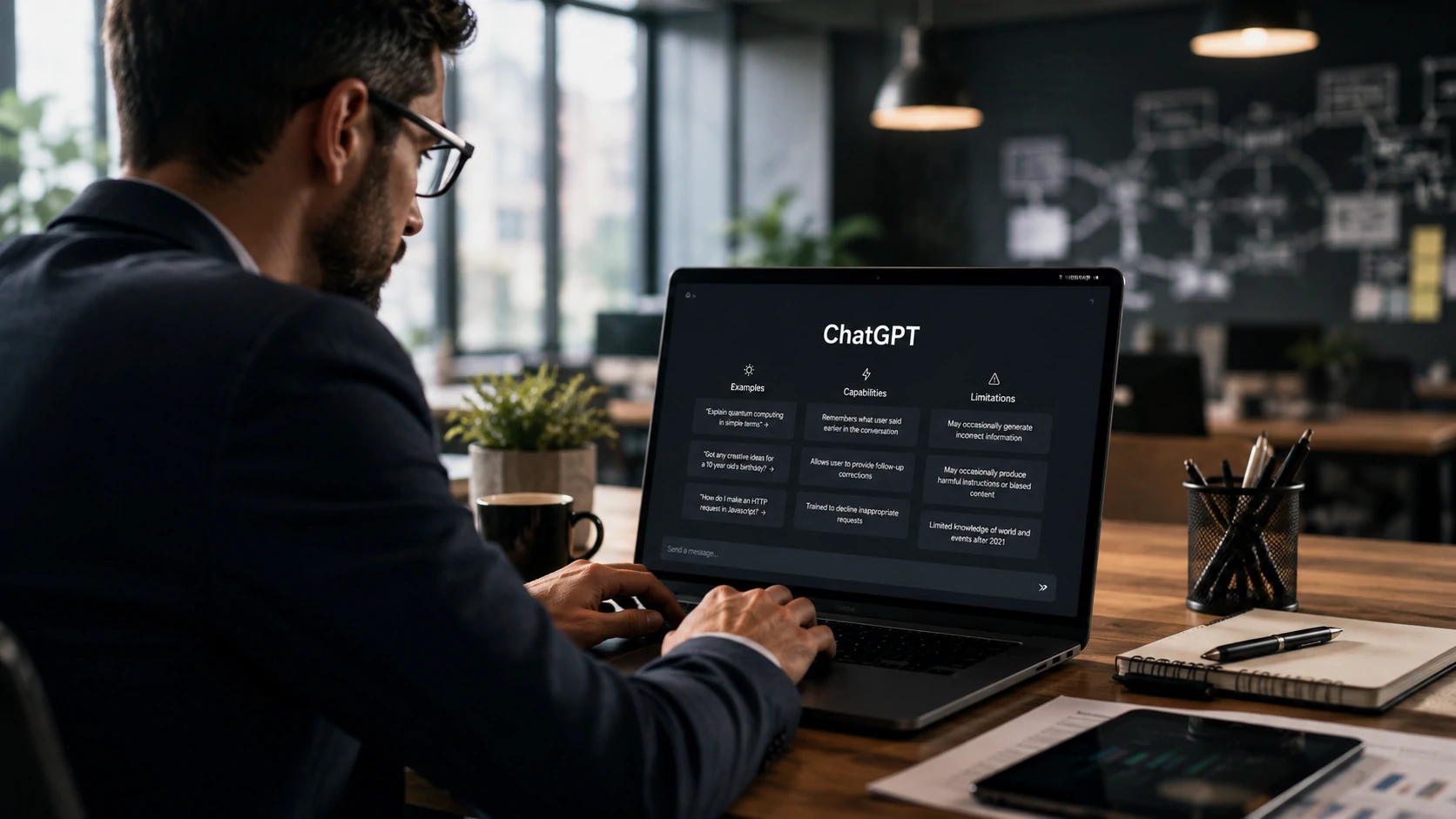
OpenAI’s ecosystem remains one of the most complete solutions for organizations looking to accelerate productivity and business automation.
OpenAI has transformed ChatGPT into a comprehensive enterprise productivity platform. Its biggest advantage is no longer just the language model itself, but the complete ecosystem surrounding it.
Businesses now have access to APIs, AI agents, software development tools, enterprise search, document analysis and workflow automation through a unified platform.
A Complete Enterprise Ecosystem
Another major strength is the extensive range of integrations available with CRMs, ERPs, customer service platforms and automation tools.
This significantly reduces implementation time while accelerating digital transformation initiatives.
Best suited for
- cross-functional teams;
- daily productivity;
- content creation;
- software development;
- AI agent automation.
Readers interested in this topic can also explore OpenAI Reaches 10 Million AI Agent Users as Traditional Software Faces Disruption.
Claude Focuses on Enterprise Reasoning and Trust
Anthropic has chosen a different strategy. Instead of competing primarily on speed, the company has invested heavily in reliability, contextual reasoning and AI governance.
This approach has made Claude especially attractive to organizations working with lengthy documents, contracts, research projects and strategic business analysis.
Large Context Windows
One of Claude’s biggest advantages is its ability to understand massive amounts of information within a single conversation.
In practice, this minimizes the need to split large documents into multiple prompts while maintaining consistency across complex analytical tasks.
Best suited for
- document analysis;
- compliance teams;
- legal departments;
- corporate research;
- executive reporting.
Organizations interested in this strategy can also read Anthropic Opens Claude’s Black Box and Brings More Transparent AI to Enterprises.
Gemini Leverages the Strength of Google’s Ecosystem
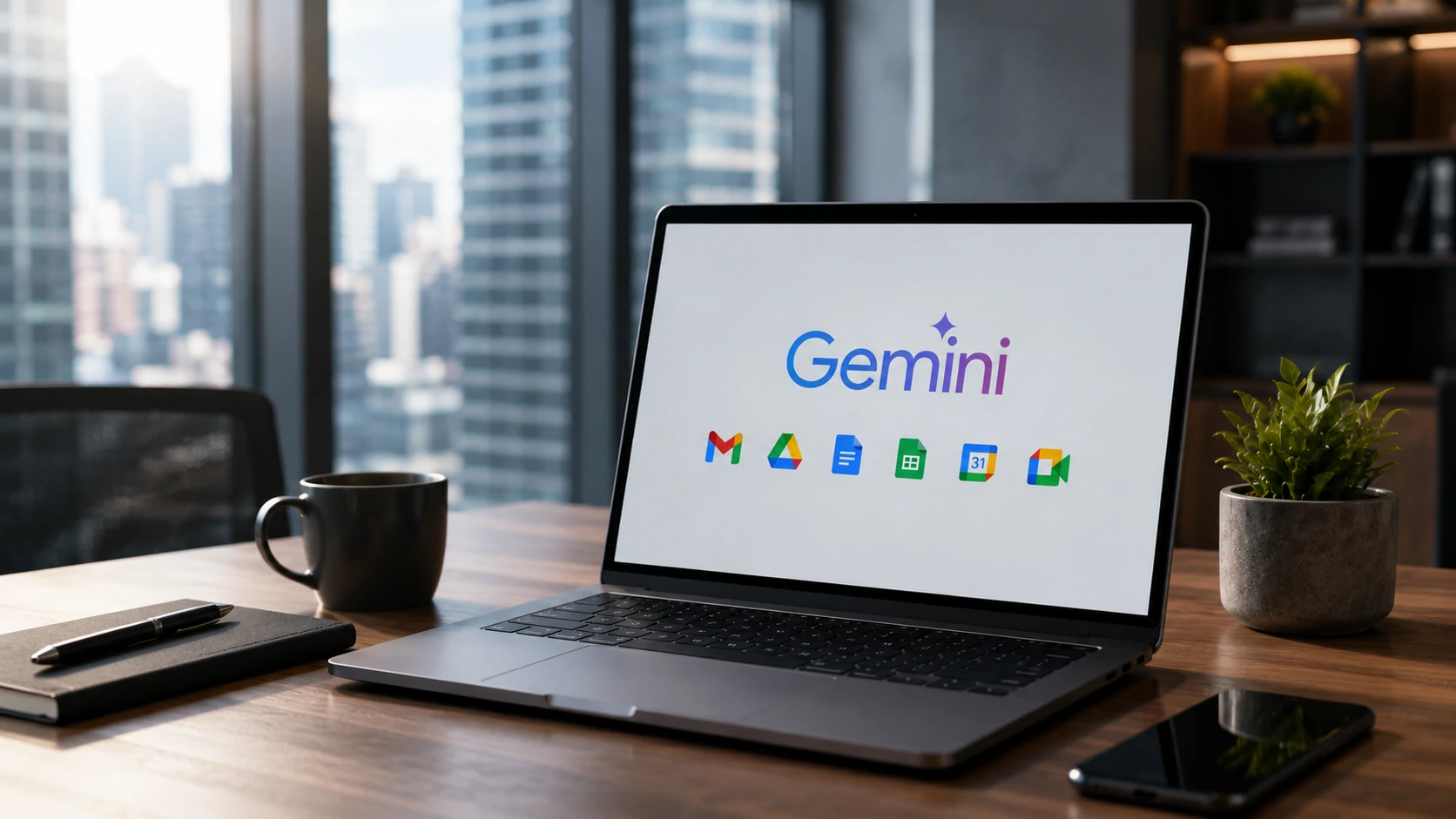
Gemini’s biggest advantage lies in its native integration with Google Workspace, one of the world’s most widely used business productivity platforms.
Gemini has rapidly evolved from a conversational AI assistant into an intelligence layer deeply embedded across Google Workspace.
This allows organizations to access information stored in Gmail, Drive, Docs, Sheets, Calendar and Meet without relying on third-party integrations.
Seamless Integration
Businesses already operating within Google’s ecosystem can deploy Gemini with minimal infrastructure changes.
The result is lower onboarding costs, faster employee adoption and a more connected digital workplace.
Best suited for
- organizations using Google Workspace;
- collaborative teams;
- document analysis;
- administrative productivity;
- enterprise knowledge management.
Grok and Mistral Follow Different Enterprise Strategies
Grok, developed by xAI, focuses on real-time information and deep integration with the X platform.
Meanwhile, Mistral AI has taken a more technical approach by emphasizing efficient open-weight models, infrastructure flexibility and enterprise customization.
When Grok Makes Sense
Grok can be valuable for businesses that rely on real-time monitoring of public events, industry trends and social media conversations.
However, enterprise adoption remains considerably lower than that of its larger competitors.
When Mistral Is the Better Choice
Mistral AI has become increasingly attractive to organizations prioritizing technological sovereignty, infrastructure control and lower operating costs.
Its strategy has gained particular traction among European enterprises and companies looking to deploy AI models within their own environments.
For additional context, read Why Mistral AI Is Accelerating the Enterprise AI Race Against OpenAI and Google.
How to Choose the Right AI Platform for Your Business
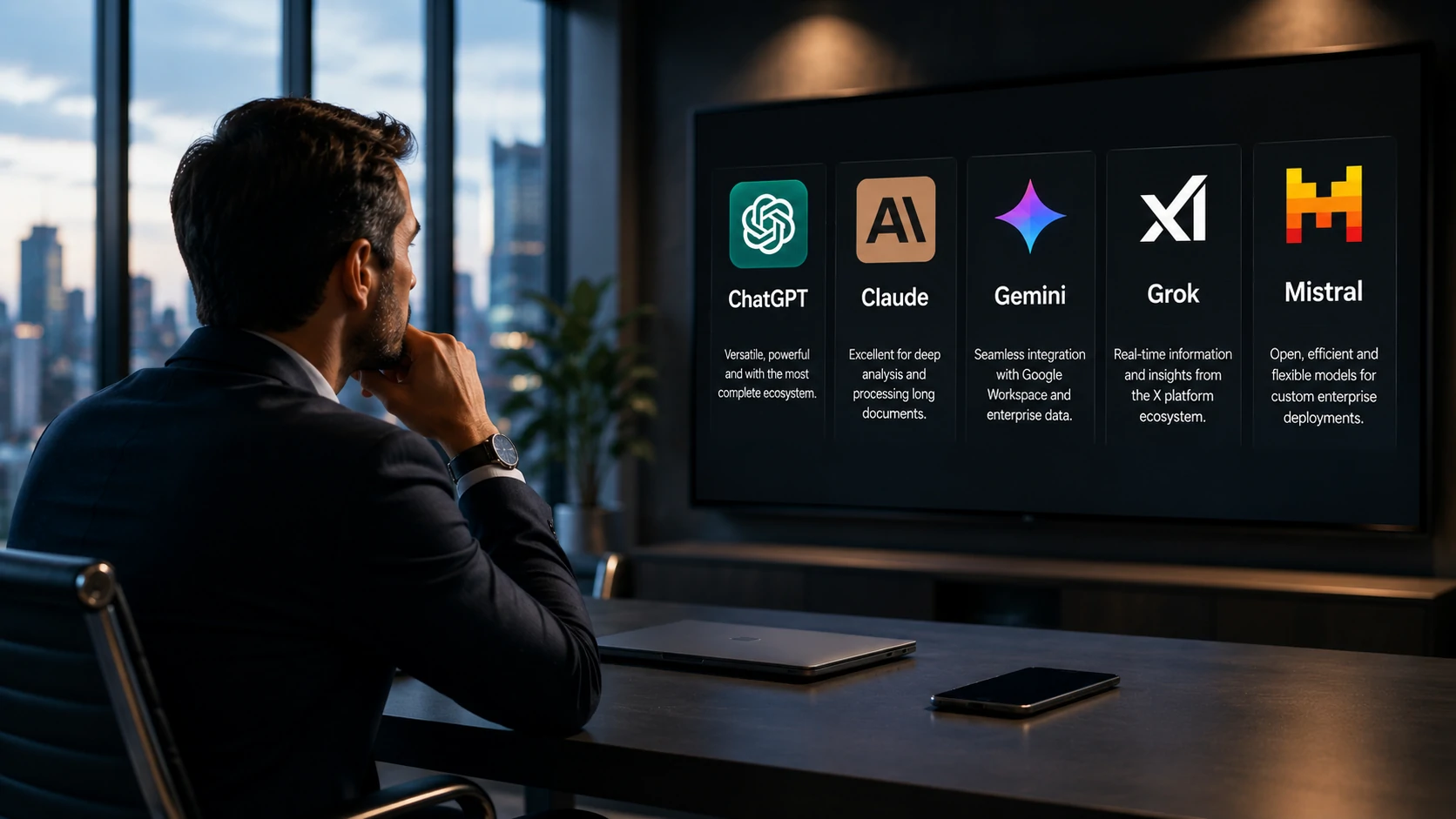
There is no universal winner. The best AI platform is the one that solves your organization’s specific business challenges most effectively.
Comparing these five platforms makes one thing clear: enterprise AI competition is no longer defined solely by model performance.
Today, integration capabilities, governance, automation, security and total cost of ownership carry just as much weight in purchasing decisions.
Questions Every Business Should Ask
Before selecting an AI platform, organizations should evaluate:
- Which business processes need automation?
- Does the AI require access to internal documents?
- Can it integrate with existing systems?
- Are there compliance or security requirements?
- Will the company develop its own AI agents?
Answering these questions significantly narrows the list of suitable solutions.
The Enterprise AI Trend for the Coming Years
The strongest trend emerging in 2026 is that businesses will no longer rely on a single AI model.
Just as organizations use different software for finance, sales and customer service, they are increasingly adopting multiple AI platforms based on specific business needs.
As a result, competitive advantage will no longer come from simply having access to artificial intelligence. Instead, success will depend on how effectively organizations combine different AI models to build secure, automated and highly productive workflows. The enterprise AI market is steadily moving toward a multi-model strategy, where ChatGPT, Claude, Gemini, Grok and Mistral become complementary technologies rather than exclusive competitors, each contributing unique capabilities to a company’s digital transformation journey.
Comentários
Os comentários utilizam autenticação via GitHub para manter um ambiente mais qualificado, seguro e livre de spam.
Entrar ou criar conta no GitHub