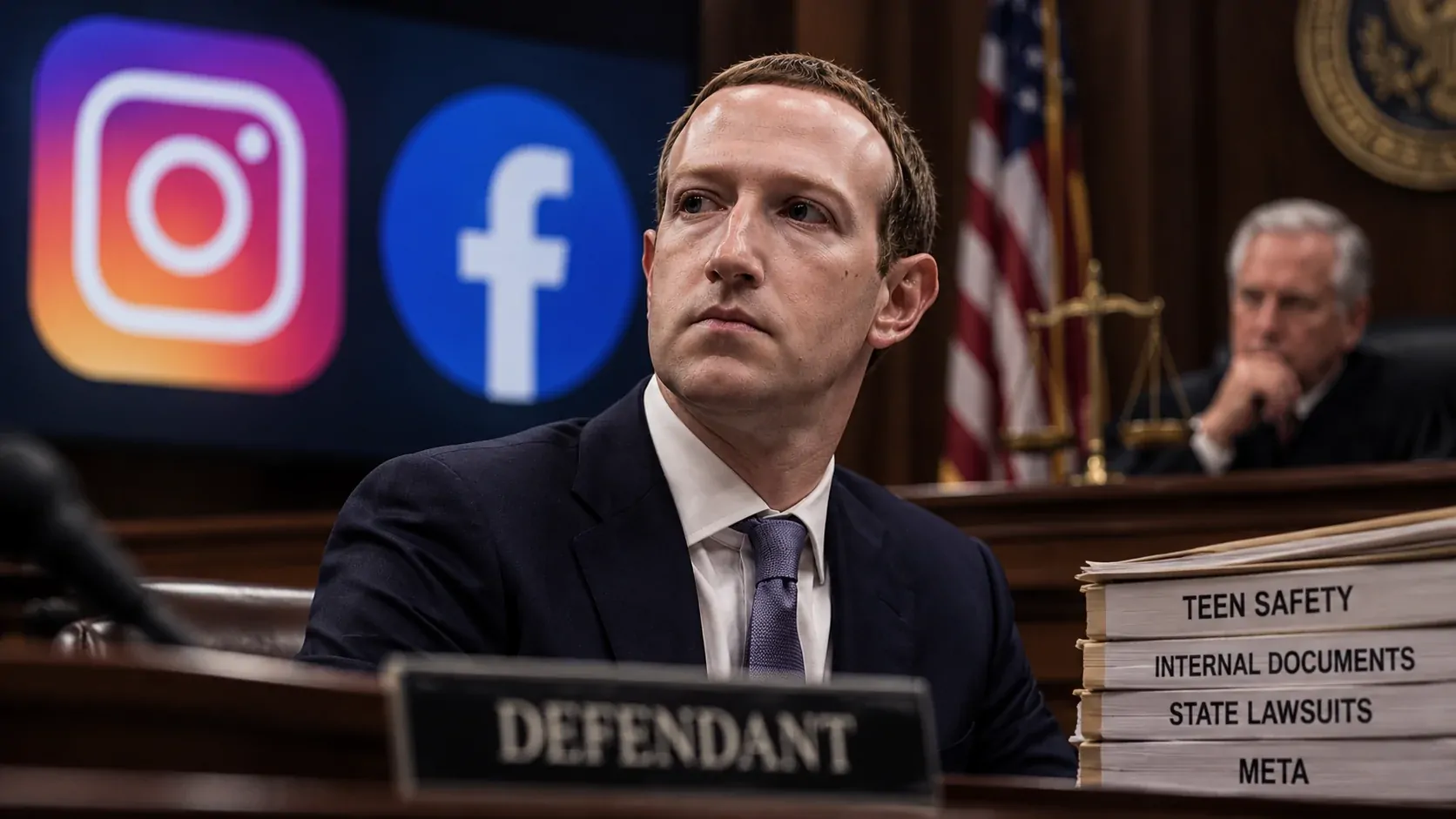
An ongoing federal trial in California has put Meta, the owner of Instagram and Facebook, at the center of a legal battle involving 29 U.S. states, internal documents, former employee testimony and allegations that the company prioritized engagement and revenue while being aware of problems involving young users.
Why Meta is facing the states in court
The case brings together 29 U.S. states accusing Meta of developing features on Instagram and Facebook that could encourage compulsive use among children and teenagers. The states also allege that the company misled the public about platform safety and collected data from users under 13 without the required parental consent.
The trial began in August
The current phase began on August 18, 2026, in a federal court in Oakland, California. Although the lawsuit involves 29 states, California, Colorado, Kentucky and New Jersey are leading the state-law claims in this trial. The federal claims brought jointly by the states are also part of the proceedings.
The trial is expected to last approximately six to eight weeks. Witnesses expected to appear include Mark Zuckerberg, CEO of Meta, Adam Mosseri, head of Instagram, as well as other executives, experts and company employees.
What the states need to prove
The allegations go beyond the argument that teenagers can experience negative effects from using social media. Prosecutors are seeking to establish that Meta knew about the problems, that certain product features encouraged prolonged use and that the company failed to take sufficient steps to reduce those risks.
Meta disputes that interpretation. Its lawyers argue that the documents presented by the states have been taken out of context and that the company conducted research and created tools intended to improve teen safety and well-being.
What the documents and testimony revealed
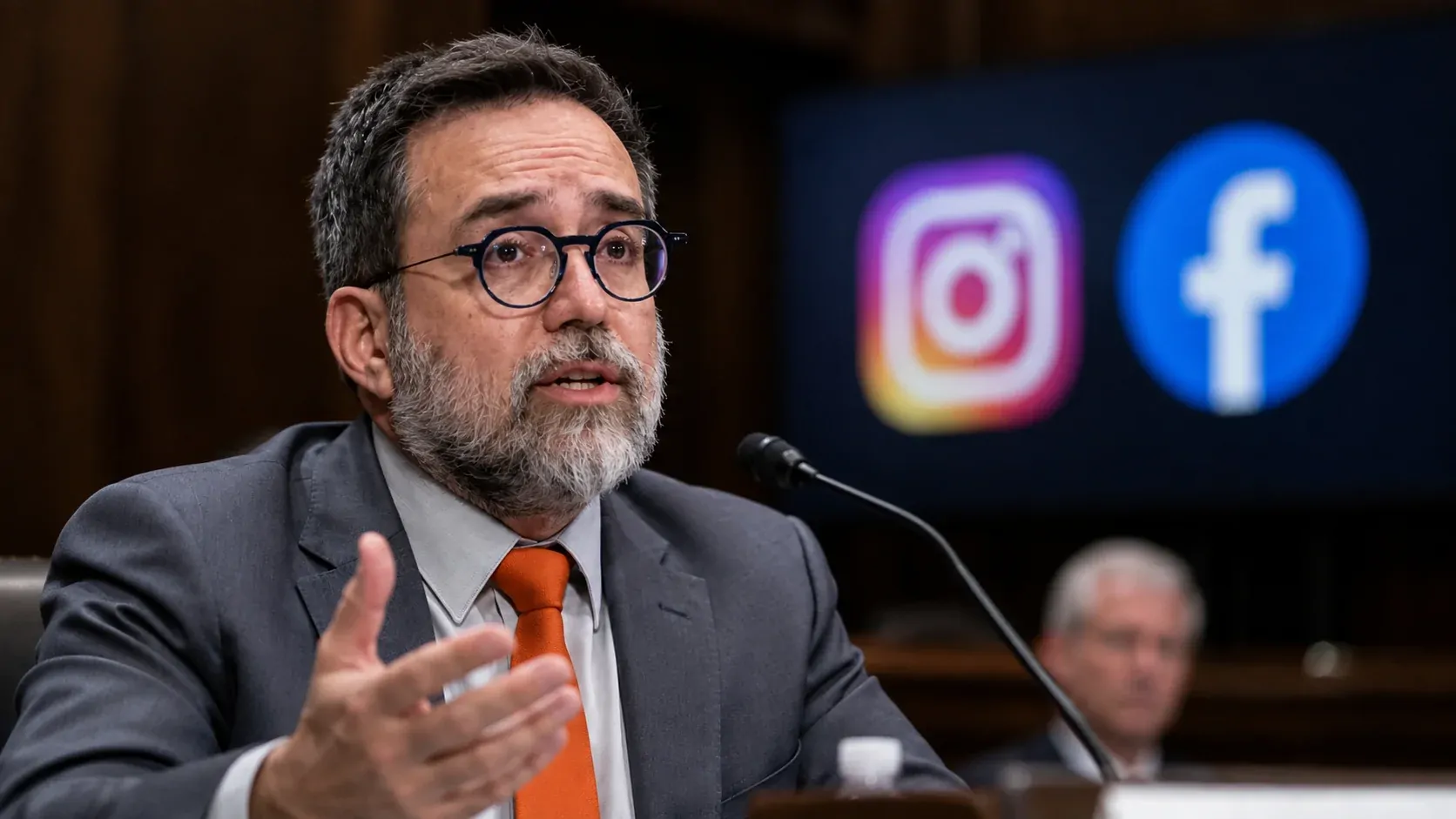
Arturo Béjar’s testimony placed internal warnings about teen safety and well-being at the center of the trial.
Internal documents and testimony from people who worked at Meta are among the central elements of the case. The material presented by the states is intended to establish a connection between what the company knew internally and the decisions made about its products.
Arturo Béjar says he took warnings to Zuckerberg
One of the most significant witnesses during the first week was Arturo Béjar, a former engineering director who worked on issues involving user safety and well-being. He worked at Facebook from 2009 to 2015 and returned to the company as a consultant between 2019 and 2021.
Béjar testified that he brought information about harmful experiences reported by teenagers on Instagram to company executives. According to his testimony, a survey conducted by his team found that 51% of respondents had experienced something considered bad or harmful during the previous seven days. He also said the findings were sent to executives, including Mark Zuckerberg.
The former employee said he had spoken with Zuckerberg more than 100 times during his time at the company. In one episode discussed during the trial, Béjar said he sent information directly to the CEO but received no response.
Allegations about Meta’s internal culture
Béjar also testified that the company’s internal culture made changes involving safety and well-being more difficult. He criticized features such as infinite scrolling, autoplay, like counters and time-management tools.
According to his testimony, features such as Take a Break and Quiet Mode depended on users choosing to activate them. Béjar argued that this approach was insufficient for teenagers because the protections were not automatically applied.
Béjar’s statements are part of the states’ case and do not constitute a final judicial finding about Meta’s conduct.
Why infinite scrolling became part of the dispute
The debate over product design is important because the states are not challenging only the content posted by users. They are also targeting specific features built into the platforms themselves.
More time on the platform means more advertising
Prosecutors argue that features such as infinite scrolling, notifications, automated recommendations and likes were designed to keep users active for longer periods. Their argument is that this behavior also creates more opportunities to display advertising.
Béjar himself connected the number of content views with advertising revenue during his testimony. The logic presented by him is straightforward: the more content users consume, the more opportunities there are to show advertisements.
This point helps explain why the case goes beyond the debate over child safety and reaches the Meta business model. The legal dispute is also examining how far a company can go in using engagement-maximizing mechanisms when its own data and employees identify risks affecting particular groups of users.
Meta says its products were not designed to addict children
The defense rejects the characterization that Instagram and Facebook were deliberately designed to addict children. The company also says it does not officially allow children under 13 to have accounts and has reported disabling more than one million accounts identified as belonging to children below that age.
The dispute therefore has not been resolved by the testimony presented so far. The court still has to assess the full body of evidence, including internal documents submitted by both sides and testimony from company executives.
The $1.4 trillion figure is not a judgment
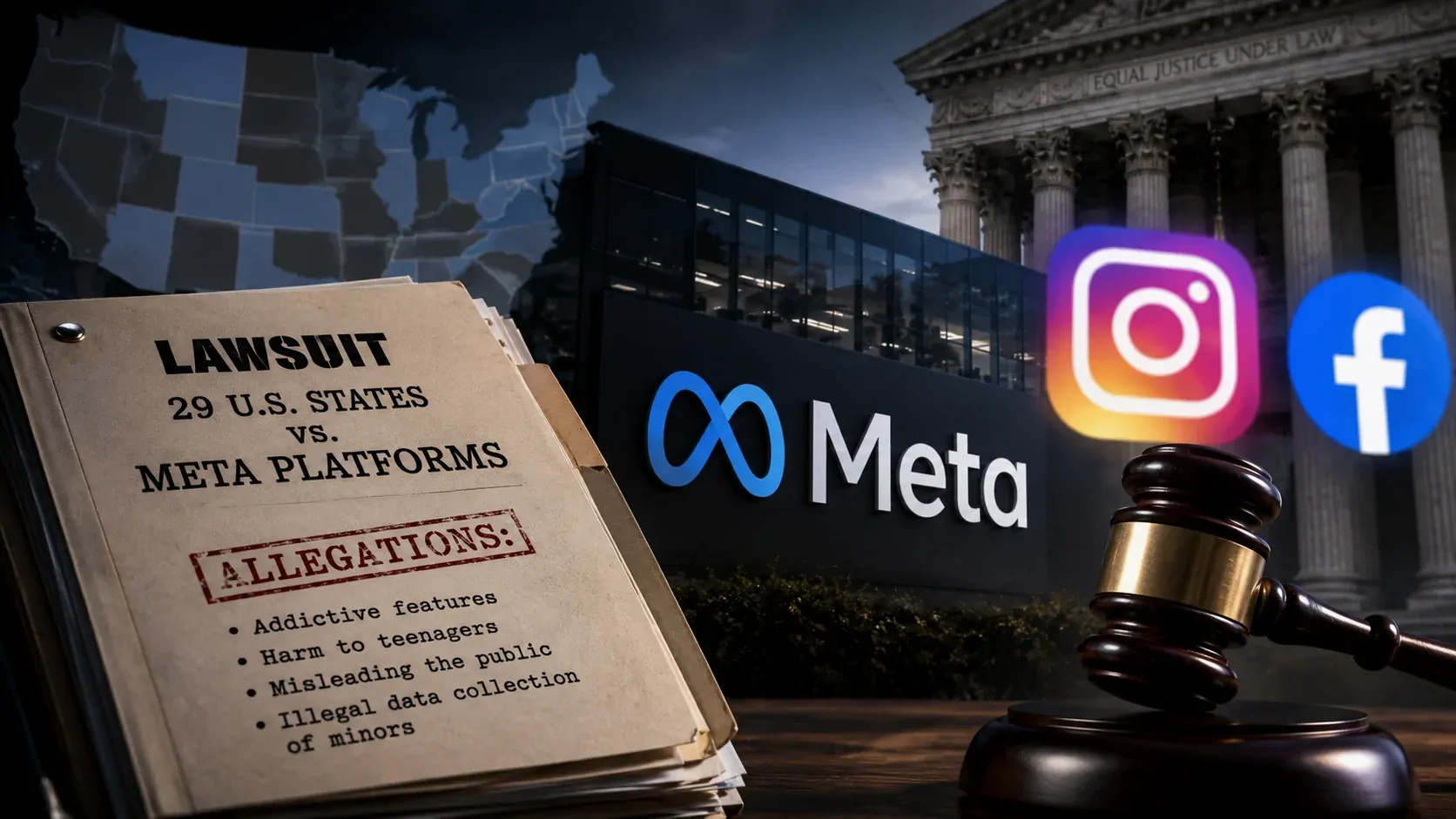
The $1.4 trillion figure represents potential penalties discussed in the case, not a final judgment.
The number that attracted the most attention before the trial was $1.4 trillion. But the figure needs to be understood in context.
Where the figure came from
In July, Meta said in a court filing that the four states leading the state-law claims could seek penalties calculated at up to $1.4 trillion. The calculation is based on penalties available under state laws and the number of potentially affected users.
That does not mean a court has ordered Meta to pay $1.4 trillion. The figure is an estimate presented in the context of the dispute over how potential penalties should be calculated.
Coverage of the case also indicates that the amounts ultimately sought by prosecutors could be significantly lower depending on the legal theory applied. For that reason, the $1.4 trillion figure should be treated as potential exposure, not as a fine that has already been imposed.
The outcome could go beyond money
The states are also seeking changes to how the platforms operate. The measures under discussion include age-related restrictions, changes to engagement features, controls over notifications and changes involving the use of data from minors.
This could matter more to Meta over the long term than a financial penalty alone. If similar measures are imposed in different cases, the company could be forced to change parts of the experience offered by Instagram and Facebook.
The current case did not begin in August
The federal trial is only one stage of a much broader legal dispute. Meta has faced a series of lawsuits since 2022 involving the alleged impact of its platforms on children and teenagers.
New Mexico has already delivered a major setback
In March 2026, a jury in New Mexico found Meta responsible for violations of the state’s consumer protection laws and ordered $375 million in civil penalties.
In August, after a second phase of the case, the judge ordered another $567 million for remediation measures and imposed court-supervised changes. That brought Meta’s financial exposure in the case to $942 million. The company said it plans to appeal.
The measures ordered in New Mexico include changes involving notifications, likes, usage limits and protections for minors, showing that state-level cases can produce practical consequences for how the platforms operate.
Tennessee is also in court
Another state case went to trial on July 20, 2026, in Tennessee. State prosecutors presented internal documents and argued that Meta continued to use features such as autoplay, notifications and infinite scrolling despite research and warnings about potential negative effects on teenagers.
The federal case involving 29 states is therefore not an isolated event. Meta is facing a series of actions in different jurisdictions, along with lawsuits brought by families, schools and other groups.
What happens after the trial
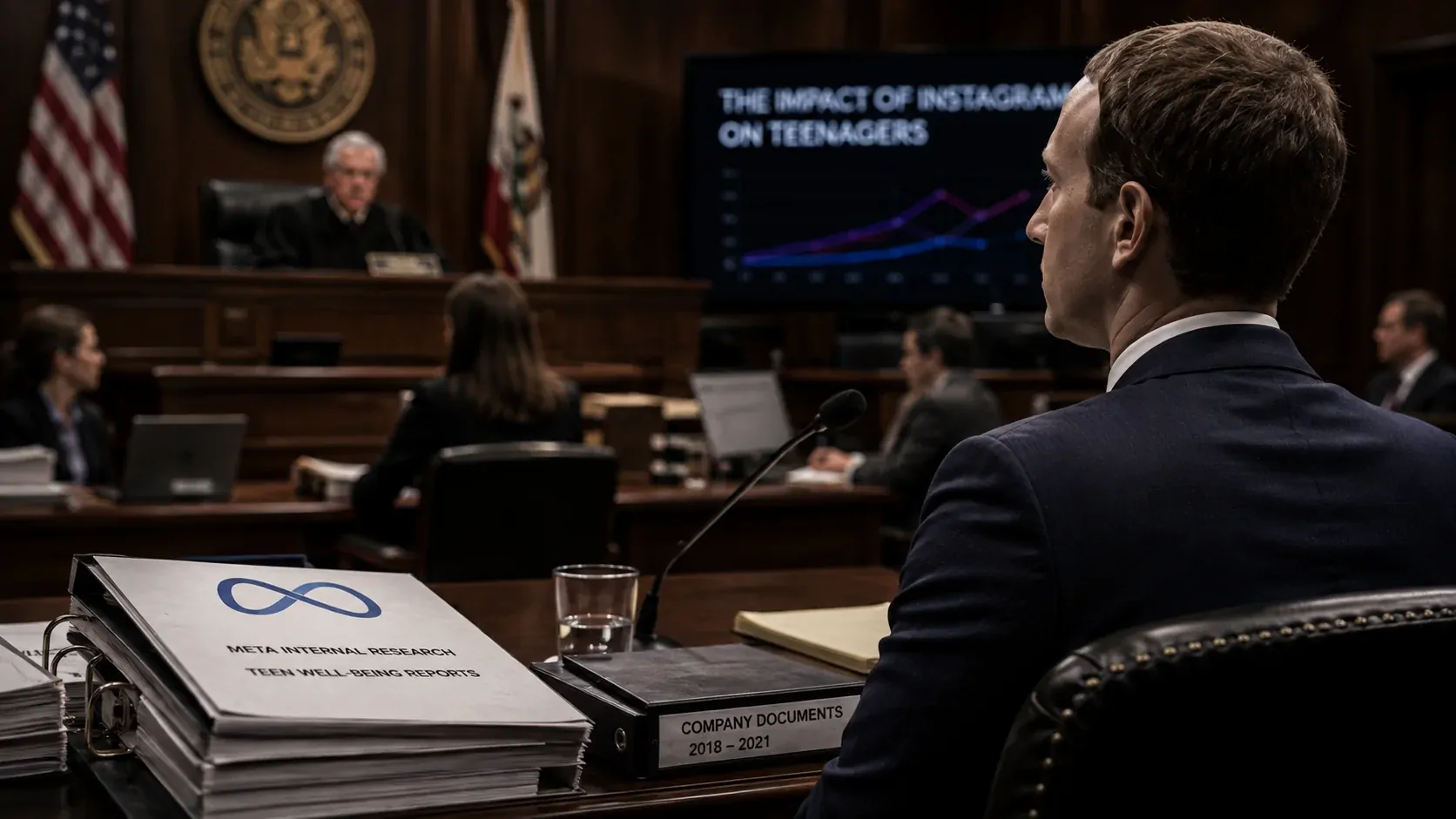
Mark Zuckerberg and other Meta executives are among the witnesses expected during the next stages of the trial.
The Oakland proceedings are expected to continue for several weeks, with testimony from executives and experts following the states’ initial witnesses.
Zuckerberg and Mosseri are among the next key witnesses
Mark Zuckerberg and Adam Mosseri are among the executives expected to testify. Their testimony could put the company’s leadership directly before the court to explain decisions and positions involving safety, well-being and how the platforms operate.
The defense is expected to continue arguing that Meta invested in safety, developed protective tools and faces a problem that also exists across other social networks. The company also maintains that the states are overstating the risks and presenting documents without their full context.
The case is also unfolding alongside other disputes involving social media. Meta said in its corporate report that state trials are expected or scheduled for the second half of 2026 and into 2027, in addition to further trials involving individual plaintiffs and school districts.
The recent history explains why the current case is being closely watched. In New Mexico, a ruling has already required Meta to pay nearly $1 billion and make changes related to protecting minors. The 29 states are now seeking a decision with potentially much broader implications.
The scale of the case also changes the broader debate over platform responsibility. Rather than focusing only on whether teenagers should use social media, courts are increasingly examining how companies design their products, what information they possess about potential risks and what actions they take when those risks are identified.
The debate is also emerging in other discussions about technology and corporate responsibility. At Notícia Tech, for example, pressure from employees at major technology companies for changes related to risk illustrates how safety and governance issues can move beyond technical departments and become part of strategic corporate decision-making. OpenAI, Google, Anthropic and Meta employees call for slower AI development
In the case of Meta, however, the question now rests with the court: whether the documents, testimony and other evidence presented by the states will be sufficient to establish that the company violated consumer protection and child privacy laws. If so, the court will also have to determine what changes could be imposed on the operation of Instagram and Facebook.
The case remains ongoing. The $1.4 trillion figure remains a potential calculation discussed in the proceedings, not a judgment, while testimony from executives and the court’s assessment of the evidence will shape the next chapters of one of the largest legal confrontations between state authorities and a technology platform.
To understand how Meta is also transforming its operations to increase automation and commercial efficiency, see the Notícia Tech analysis of how the company is automating advertising with artificial intelligence: Meta automatiza anúncios com IA e muda como empresas fazem marketing digital.
Comentários
Os comentários utilizam autenticação via GitHub para manter um ambiente mais qualificado, seguro e livre de spam.
Entrar ou criar conta no GitHub