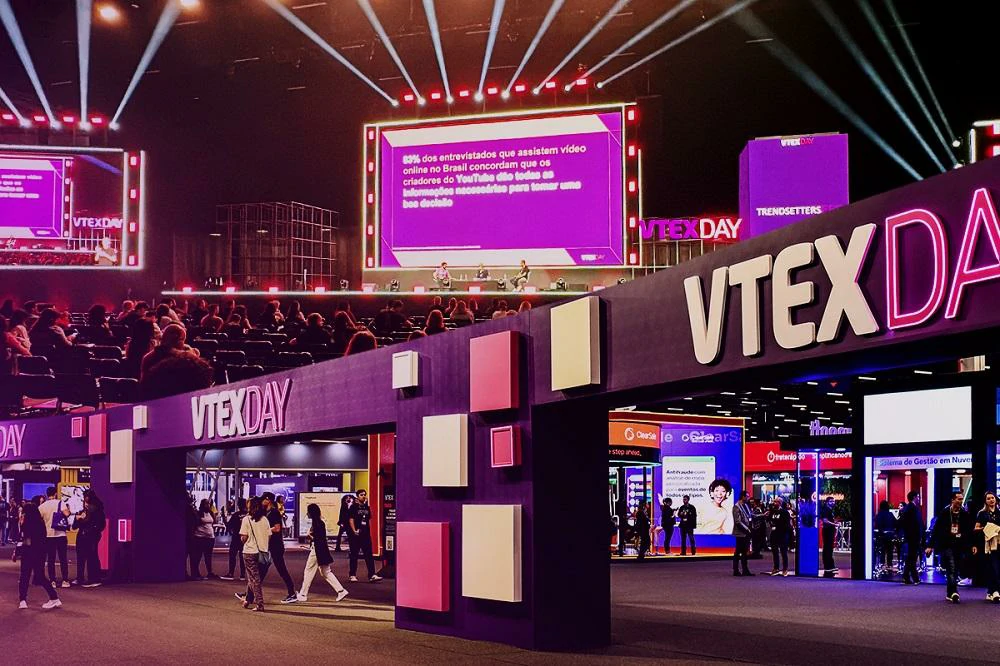
VTEX presented a strategic change in its platform: artificial intelligence stopped being a complementary resource and became the center of the operation.
The movement marks an important change in digital commerce.
It’s not just about technology.
It is a structural change in the way companies operate sales, service and customer relationships.
For medium-sized companies, this can represent a direct gain in efficiency and scale.
What VTEX launched in practice
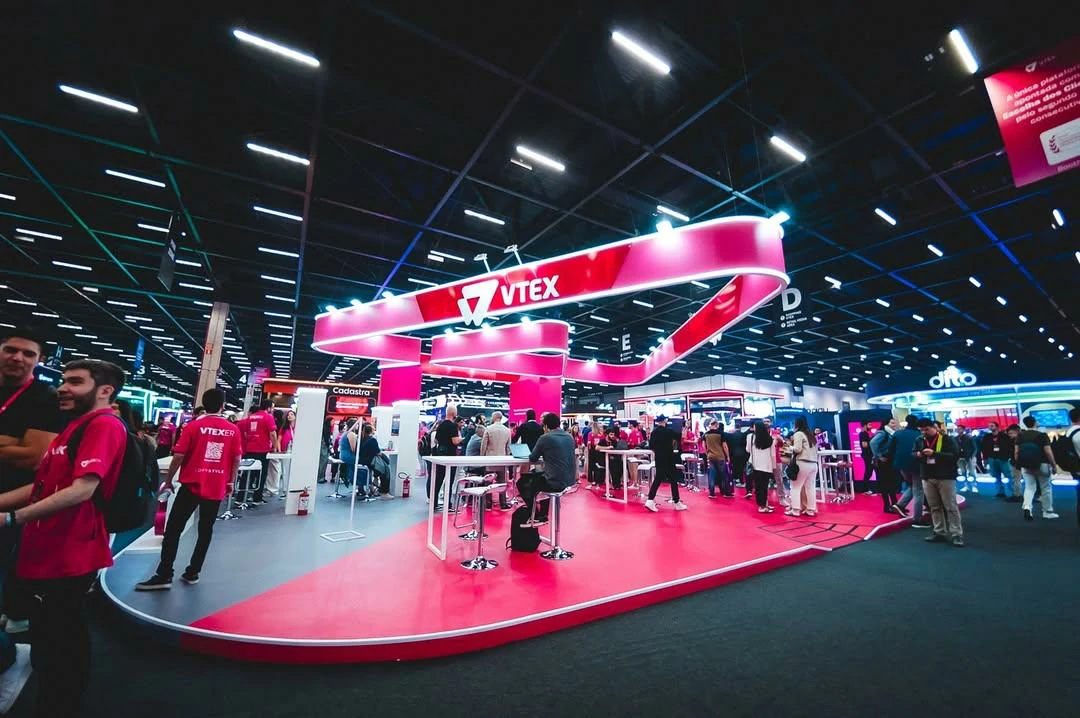
During VTEX Day 2026, the company presented a new architecture based on three main pillars.
Commerce platform
Responsible for central sales, ordering and catalog operations.
Customer experience platform
Focused on personalization, relationships and retention.
Monetization platform
Focused on internal media, advertisements and new sources of revenue.
The difference is that everything now operates connected by artificial intelligence.
The game-changing feature: AI performing operational tasks
The main change is not just in data analysis.
It’s in execution.
The platform now operates tasks that previously depended on human teams.
Automatic generation of B2B orders
Artificial intelligence can now automatically generate orders and quotes.
How it works
From different inputs:
- files sent by customers
- texting
- voice commands
The system interprets the demand and transforms it into an order.
This reduces manual steps in the business process.
Automated after-sales service
The platform also expands post-sales automation.
What AI can solve
Demands such as:
- order status
- exchanges
- returns
are now treated automatically in most cases.
This reduces operational load and improves response time.
Personal shopper with AI
VTEX also presented a digital seller model based on artificial intelligence.
What does he do
The system:
- conversation with the customer
- understands purchase intention
- recommends products
- leads the purchasing journey
In practice, it works as a scalable digital seller.
The real impact for medium-sized companies
The change directly affects companies that operate digital commerce with lean teams.
Reduction in operational costs
Previously manual processes become automated.
This reduces the operational need for repetitive tasks.
Increased conversion without team expansion
With AI applied to sales and service, companies can scale results without expanding their structure.
This point is especially relevant for growing operations.
Complete operational integration
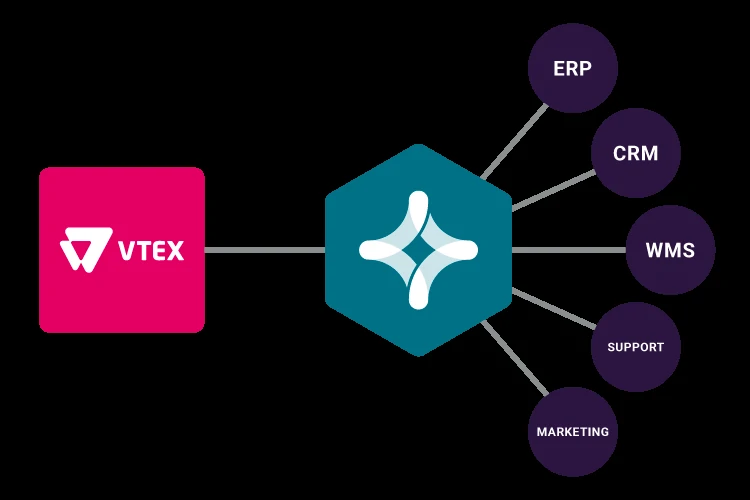
Marketing, sales and service now operate in an integrated manner.
The gain from this integration
This reduces:
- rework
- loss of information
- operational delays
and improves the overall efficiency of the operation.
What the market is signaling
VTEX’s movement reinforces a clear trend.
Artificial intelligence is no longer a differentiator.
It is becoming operational infrastructure.
Companies that take time to adapt their processes may lose competitiveness.
Where to start within a medium company
Not every company needs to transform its entire operation at once.
The most efficient path is to start in areas with the quickest return.
Service
Automation of frequently asked questions and initial support.
Sales
Lead qualification and automatic order generation.
After-sales
Monitoring processes, exchanges and automated support.
These areas tend to generate quick impact.
The new operational standard for digital commerce
The trend is clear.
Artificial intelligence is moving from operational support to the core of the operation.
Companies that move first tend to win:
- more efficiency
- more speed
- better operating margin
In the medium term, this stops being an innovation and becomes a competitive standard.
Comentários
Os comentários utilizam autenticação via GitHub para manter um ambiente mais qualificado, seguro e livre de spam.
Entrar ou criar conta no GitHub